 When My In-Laws Shaved My Three-Year-Old Daughter's Head and Demanded an Apology, a Forgotten Camera Revealed the Truth
Chapter 10
A Name That Was Hers
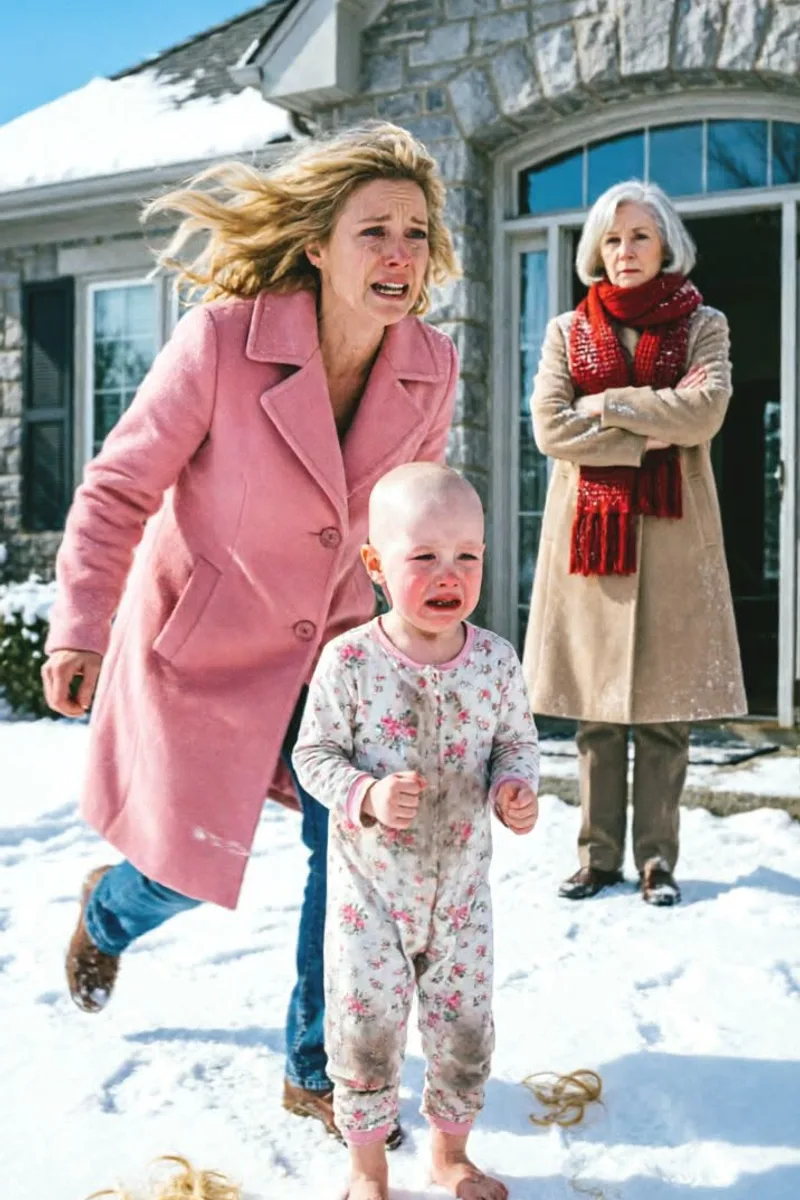
Daisy's fourth birthday arrived on a clear morning in early summer. She chose a cake with a purple rabbit on top and asked for four candles, one for each year she had been alive. I remembered the January afternoon when I'd found her shivering on a balcony with her head shaved, and I felt the familiar ache rise before she came racing into the kitchen.
Her curls were long enough now to catch the sunlight along her forehead. She wanted me to see that she'd put on her shoes by herself, though they were on the wrong feet. I helped her switch them without turning it into a lesson about mistakes.
We held the party at a small community room near our apartment. Tessa brought balloons, Mom arranged fruit on a tray, and Daisy's preschool friends arrived carrying handmade cards. There were no grandparents demanding seats of honor and no relatives asking her to explain her hair. Mitchell attended under the arrangements we'd agreed upon. He asked Daisy whether she wanted him to help with the candles. She said yes, then changed her mind and asked me instead. He stepped back without looking injured. I watched that small choice more closely than the birthday photographs.
After the children went home, Daisy sat on the floor sorting her gifts. She held up a picture of a girl with a large purple hat and said the girl looked like her when she'd been scared. I sat beside her and asked what she wanted to say about that. Daisy considered it.
"My hair came back," she said. "And I got a new room." I nodded. "You also told us when you were scared," I said. "That helped the grown-ups know what you needed." She leaned against my shoulder for a moment, then returned to the wrapping paper with the serious concentration of a four-year-old.
The legal and family arrangements had not vanished because we were celebrating. There were still documents to review and ongoing decisions about contact, schooling, and care. The restrictions around Beatrice and Raymond remained a matter for the appropriate process, and I had no plan to override them because Daisy's birthday made everyone sentimental. Brenda's conduct had been accounted for separately, but nothing about the bracelet could erase the harm that followed. I was learning to tolerate an unfinished adult story while giving my daughter days that felt complete to her.
Mitchell and I met for another counseling session the following week. I told him I wanted to move forward with a formal separation while continuing to build a respectful parenting relationship. He asked whether there was still a possibility of reconciliation. I said I couldn't promise one and would not make our daughter wait for us to decide whether we could live together.
He looked down, then said he understood. He told the counselor he wanted to be a father whose presence made Daisy feel safe, regardless of what happened to our marriage. I believed he was trying. I still needed the freedom to make my own decision.
A few months earlier that conversation would have left me feeling as if I had failed. I had been taught that a good wife kept relatives from arguing and found ways to forgive before anyone had changed. Now I understood that forgiveness, trust, and access were different things.
Mitchell could take responsibility for his part without receiving a guarantee that I would return. Beatrice could acknowledge wrongdoing without being entitled to Daisy's company. Raymond could insist he had been provoked, but his words did not change the boundary around his behavior. These were adult matters, and Daisy did not have to carry them.
My manager confirmed the new position at work, with the schedule we'd discussed. I signed the paperwork and bought a little plant for my desk. At home Daisy continued tending Bean, which had grown taller than the ruler we'd used to measure it. She painted a picture of the two plants with purple flowers on both. When I asked where she wanted to hang it, she chose the kitchen wall beside the calendar. Our weeks were full of ordinary things: appointments, playdates, grocery lists, and the occasional late evening when I wished someone else would wash the dishes.
Mom returned to Kansas City after making sure I had reliable childcare for the coming weeks. She hugged Daisy and told her she'd visit again soon. Daisy asked whether she'd bring more books. Mom promised one and checked the date with me before she left.
I appreciated how naturally she had learned to ask. Tessa still came by for dinner, and Mitchell kept the approved schedule. I wasn't raising Daisy alone in the heroic way I'd once imagined independence required. I was raising her with people who respected her safety and my right to decide how our home worked.
One afternoon Daisy asked whether she would ever see Beatrice again. I told her the grown-ups were still working through what had happened, and that no visit would be arranged without taking her safety seriously. She asked whether it was because Grandma had cut her hair.
I said that was part of it, and so was the way she'd been left in the cold and frightened. "I didn't steal," Daisy said softly. "I know," I answered. "You told me the truth." She touched her curls, then asked whether we could go outside. I put on my shoes and followed her into the courtyard.
A neighbor had planted marigolds beside the path, and Daisy crouched to inspect a beetle moving through the dirt. She asked whether it had a mother and whether insects could get angry. I answered what I knew and admitted what I didn't. Her questions moved quickly from fear to curiosity, from the past to the beetle at her feet. I didn't need her to forget what happened to prove we had moved forward. I needed her to know the world contained more than that day, and that she could ask questions without worrying about the answer making someone angry.
At bedtime she asked me to read the book about seeds in winter. She settled beneath her blanket, her rabbit wearing the purple headband as a crown. When I reached the page where the first green shoot appeared, Daisy smiled and touched the short curls at her temple. "I grew too," she said. I kissed her forehead and told her she had.
After she fell asleep, I stood in the doorway and listened to the ordinary sound of her breathing. I could not make every adult in her life kinder or every investigation end neatly. I could keep choosing safety, speak plainly about harm, and give her a home where a mistake never meant she deserved to be hurt.
The End









