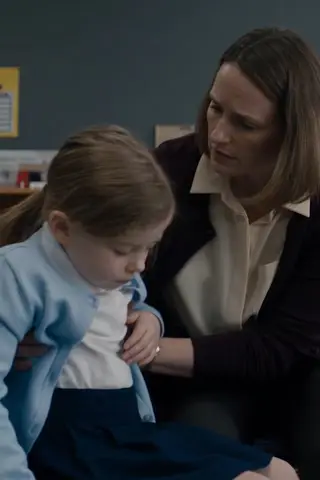
 : She Thought It Was Just a Normal School Morning
Chapter 29
The District Keynote
By the winter of 2031, the reputation of Westmont Elementary’s student-advocacy and observation protocols had drawn attention far beyond our local school district. The state department of education formally invited me to deliver the keynote address at the annual statewide educational symposium held in downtown Pittsburgh. Standing backstage in the grand convention center auditorium, looking out through the backstage curtains at an audience of over a thousand educators, administrators, and child welfare specialists, a familiar nervous flutter brushed against my ribs.
When the master of ceremonies finally called my name, stepping out under the blinding glare of the spotlights felt like stepping onto a stage that belonged not just to me, but to every quiet child who had ever needed someone to notice them.
“When we enter the profession of teaching,” I began, my voice steady, clear, and resonant through the state-of-the-art sound system, “we sign up for lesson plans, standardized testing, and curriculum milestones. But our true calling—our sacred obligation—lies in the quiet, unspoken spaces between the routine.”
I shared the story of Room 204—not as a tale of tragedy, but as a testament to the transformative power of radical attention, active empathy, and unwavering moral courage. I spoke of how noticing a child’s posture, a sudden hesitation, or a rehearsed smile could alter the entire trajectory of a human life. When I concluded my address by sharing how that very child had grown into a brilliant university architecture student designing spaces of safety and light, the entire auditorium rose to their feet in a thunderous, sustained standing ovation that echoed long after I stepped away from the podium.
The End









