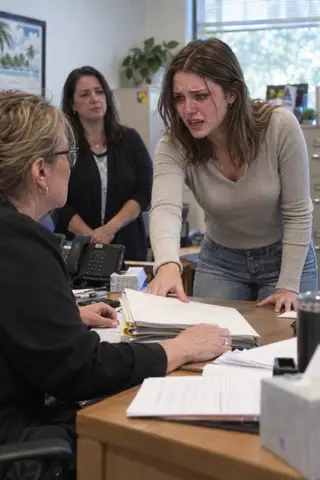
 She Thought Her 20th DCF Report Would Die Quietly
Chapter 8
Healing the Invisible Scars
Recovery, as I quickly discovered over the next few years of my adolescence, is not a straight line upwards. It is a messy, winding, two-steps-forward-and-one-step-back kind of journey.
Even as I excelled in high school, earned a spot on the track team, and built a vibrant circle of loyal friends in St. Augustine, the invisible scars of my childhood occasionally flared up in unexpected ways. A sudden raised voice in a crowded hallway, a flashing blue light on the highway, or a moment of intense stress could still trigger a sudden spike of adrenaline and defensive panic.
Recognizing that I needed professional tools to process the decade of trauma I had survived, Arthur and Evelyn helped me set up weekly sessions with a compassionate trauma therapist named Dr. Hayes.
Dr. Hayes operated out of a sunny, plant-filled office overlooking the historic brick streets of downtown St. Augustine. On my very first visit, sitting comfortably in a plush armchair with a cup of herbal tea in my hands, I voiced my frustration over my lingering anxiety.
“I thought that once my mother was in prison and I was living in a safe home, all the broken pieces would just magically glue themselves back together,” I admitted, staring down at my teacup. “Why do I still feel jumpy? Why do I still catch myself checking door locks three times before I can go to sleep?”
Dr. Hayes smiled gently, leaning back in her chair. “Chloe, if you break your leg skiing down a mountain, the surgeon can set the bone and put it in a cast. But nobody expects you to sprint a marathon the day the cast comes off, do you?”
I shook my head slowly.
“Trauma works the exact same way,” Dr. Hayes continued. “Your mind and body spent years surviving a war zone. You developed incredible, adaptive survival mechanisms to keep yourself alive. Now that you are finally safe, those survival mechanisms don't just shut off overnight. They need time, patience, and compassion to understand that the war is actually over.”
That conversation reframed my entire healing process. I stopped fighting my own anxiety and started treating myself with the gentleness I had always deserved. I learned grounding exercises, practiced mindfulness, and poured my complicated emotions into my artwork, sketching sprawling, beautiful landscapes of coastal Florida where dark, stormy skies always gave way to brilliant, golden sunlight.
High school graduation arrived in a flash of white caps, diplomas, and proud hugs from Arthur, Evelyn, and my younger siblings, who sat cheering in the front row of the auditorium. Lily, now fifteen and thriving in her adoptive home, held up a handmade sign that read: THAT'S OUR BIG SISTER!
Standing on the stage holding my diploma, looking out over the crowded gymnasium, I didn't feel like the broken, terrified fourteen-year-old girl standing in front of a bathroom mirror with a black eye.
I felt strong. I felt resilient. I felt entirely unbroken.
The End









