 His 27-Year-Old Mistress Laughed at Me in Manhattan's Most Expensive Restaurant
Chapter 60
The Sovereign Table
Fifth Avenue at ten o'clock at night was quiet, bathed in the soft, romantic glow of antique streetlamps and the golden illumination of historic shopfronts.
The armored sedan drew smoothly to the curb in front of La Maison.
The gilded brass awning gleamed under the soft exterior lights. The heavy oak-and-frosted-glass doors parted instantly as the head maître d' bowed with profound, reverent humility.
"Good evening, Madame Whitmore," he said softly, escorting us into the restaurant.
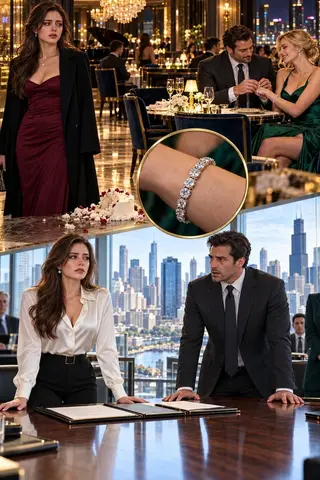
The grand dining room was empty. There were no chattering socialites, no flashbulbs, and no arrogant hedge fund managers preening for attention. Alexander had closed the entire establishment for the evening. The only illumination came from the soft crystal chandeliers overhead and the flickering tapers of beeswax candles on a single table in the center of the room.
Table One.
I walked slowly across the plush oriental carpet, my heels clicking with a soft, rhythmic grace that echoed against the mirrored walls.
Two years ago, I had sat at this exact table.
I remembered the white linen tablecloth. I remembered the chilling, mocking laugh of a twenty-seven-year-old girl who believed youth gave her the right to humiliate another woman. I remembered Daniel Sterling’s cold, pitiless smirk as he threw money onto the table, telling me that I was useless, discarded, and finished.
I stopped at the edge of the table.
Alexander stepped forward and pulled out the central velvet armchair with the grace of a Parisian courtier. "Your seat, Madame Whitmore."
I sat down, my posture flawless, my hands resting serenely upon the crisp linen. Marcus took the seat to my right, Alexander to my left, and Clara sat opposite us.
A waiter appeared silently, pouring a 1982 Château Cheval Blanc into our glasses—the exact vintage Daniel had ostentatiously ordered to celebrate my supposed destruction.
I raised my glass, watching the deep ruby wine catch the candlelight.
"Two years ago," I said, my voice low, musical, and filled with an immense, tranquil power, "two people brought me to this table to watch me break. They believed that by stealing my money and insulting my dignity, they could reduce my life to ashes."
Marcus raised his glass in silent, profound reverence.
"They did not understand," Alexander whispered softly, "that you were the diamond formed under their pressure."
"Daniel is in a federal cell, staring at concrete walls," I said, looking around the magnificent room. "Vanessa is lost in obscurity, washing away the memory of her own cruelty. And we are here. Whole. Triumphant. Sovereign."
I touched my glass to Marcus's, then to Alexander's, and then to Clara's. The crystal chimed with a clear, resonant note that hung in the quiet air like a song of ultimate victory.
I took a slow, deliberate sip. The wine was rich, complex, and sweet—the taste of uncompromised triumph, of justice fulfilled, and of an empire built on truth.
I looked into the mirror across the dining room.
I saw no sorrow in my reflection. I saw no anger. I saw only Emily Whitmore: an architect of destiny, a sovereign titan of finance, and a woman who had walked through the fire and emerged wearing the crown.
The restaurant was silent. The city was still.
And the future was mine.
The End









