 Fifty-Two Dog-Ears
Chapter 5
Proper Channels
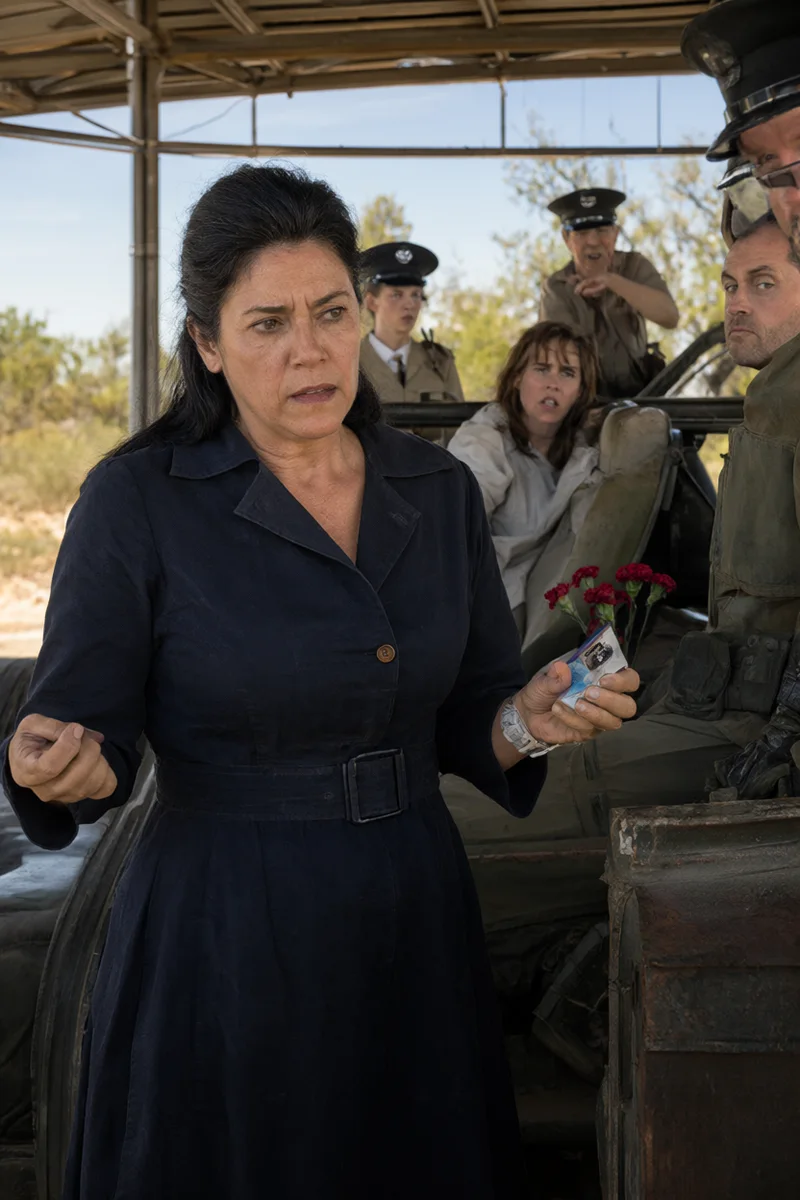
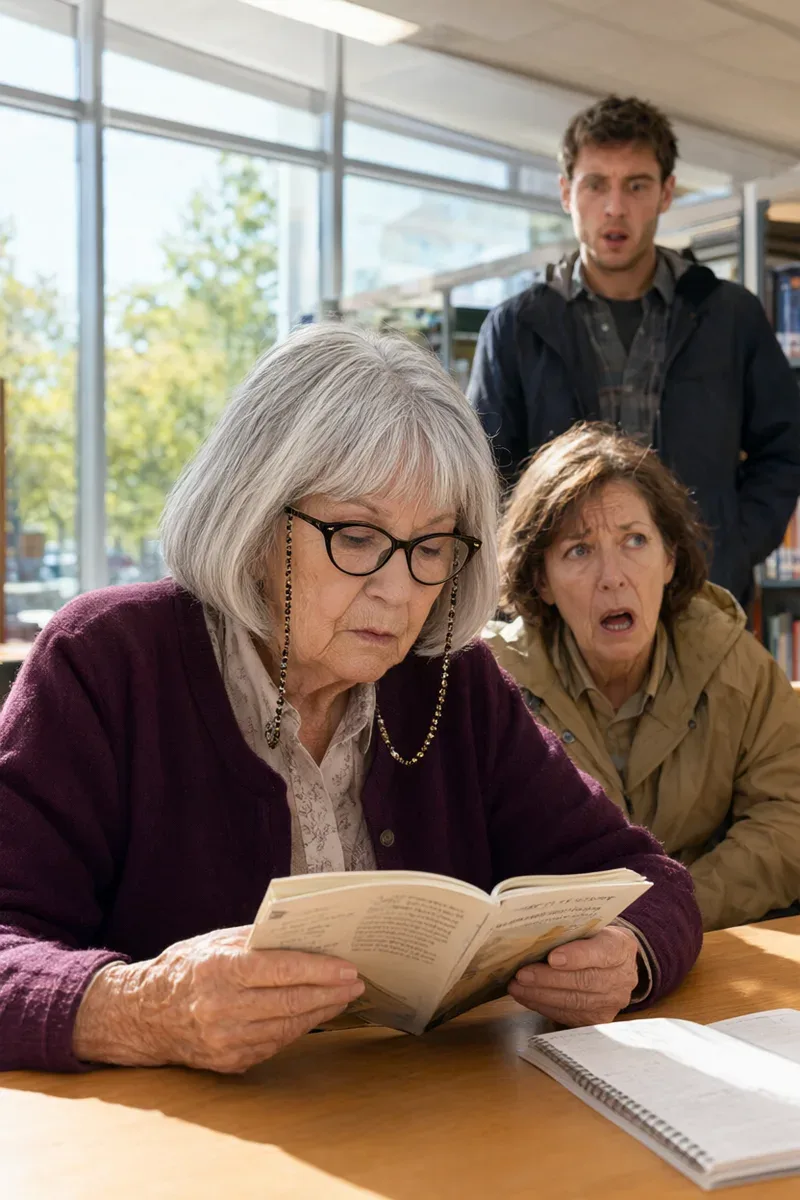
Sheriff Petrine Mundt was fifty-three, wore reading glasses on a beaded chain that her granddaughter had made, and listened to the entire thing without interrupting, which I have found is rarer in law enforcement than courage.
When I finished she read the legal sheet. Then she read it again, moving her lips slightly at Royal.
"Mrs. Pilcrow," she said. "I want to be careful how I say this."
"You'd like to say that I'm an old woman who has decoded a message from another old woman using the dog-ears in a bird book."
"I'd have said it nicer."
"There's no nicer way. It's what happened."
Twyla sat beside me with her coat still buttoned. The sheriff's office in Ostby County is a converted dentist's office, and there was still a little sink in the corner of the room where somebody had once spat.
Sheriff Mundt picked up the recipe card by its edges. She held it next to a photocopy of the 1979 note from the file, which she had pulled while we waited. She looked at them for some time.
"Huh," she said. I told her that was a hopping e.
"It's a hopping e," she agreed. "And a judge is going to tell me that half the manual typewriters in Wisconsin had a bad type bar, and that this is a recipe for bars." She set the card down. "I'll go out there. I'll talk to her. Woman to woman, nobody in uniform but me. If she tells me what you're telling me, we're in business."
She went out to the Dasks' place on Saturday morning. She called me at four.
"She says she folds the pages because her eyes are bad and she loses her place," the sheriff said. "She says she never meant anything by it. She says she's sorry if she caused trouble."
"Was Verlin in the room?" I asked. There was a pause before she answered. "He was in his recliner. He has dementia, Mrs. Pilcrow. Fairly far along. He asked me twice if I was there about the Hendershot heifers."
"And the tackle box?" I asked. She sighed. "I can't search an eighty-four-year-old man's tackle box because of a crease in a library book. She didn't consent. She wanted me gone." Another pause. "She did look at the window a lot. I'll give you that."
On Monday Searle called. I could tell from his breathing that he had practiced.
"Mavis, the board president got a call. From somebody close to the Dask family. They say you've been bothering Mrs. Dask about her reading habits and sent the sheriff to her house."
"Delmer called you," I said. Searle did not deny it. "He was very kind about it. He said you've earned a rest. He said it with a lot of respect." Searle swallowed. "He'd like you to take some time off from the desk. Just through the holidays."
I reminded him that I had trained the woman who trained him. "I know." He sounded miserable. "I'm sorry."
So on Thursday I was not behind my desk. I was on the bench in the square across from the library, in my good wool coat, with a thermos and the bird book in my lap, beside the bandstand I had been looking at for forty-seven years.
Ten o'clock came. Ten-fifteen. No Sidonie. At ten twenty-two, Verlin Dask's Buick came slowly down Main Street, the way it had come every Thursday for fifty-two weeks, and did not stop at the library.
Verlin was in the passenger seat, his head nodding. Sidonie was not in the car at all.
The man at the wheel, tall and pink, lifted two fingers from the steering wheel to me as he passed, the way men in this county wave at a neighbor. It was Delmer Hallimore.
The End