 Day-Old Bread at Six
Chapter 1
Four Hundred and a Loaf
I made the offer at 6:10 on a Tuesday morning in December, with the ovens roaring behind me and my pride sitting somewhere around my ankles.
“Four hundred dollars,” I said through the back door. “And free bread for a month. Not day-old. Fresh.”
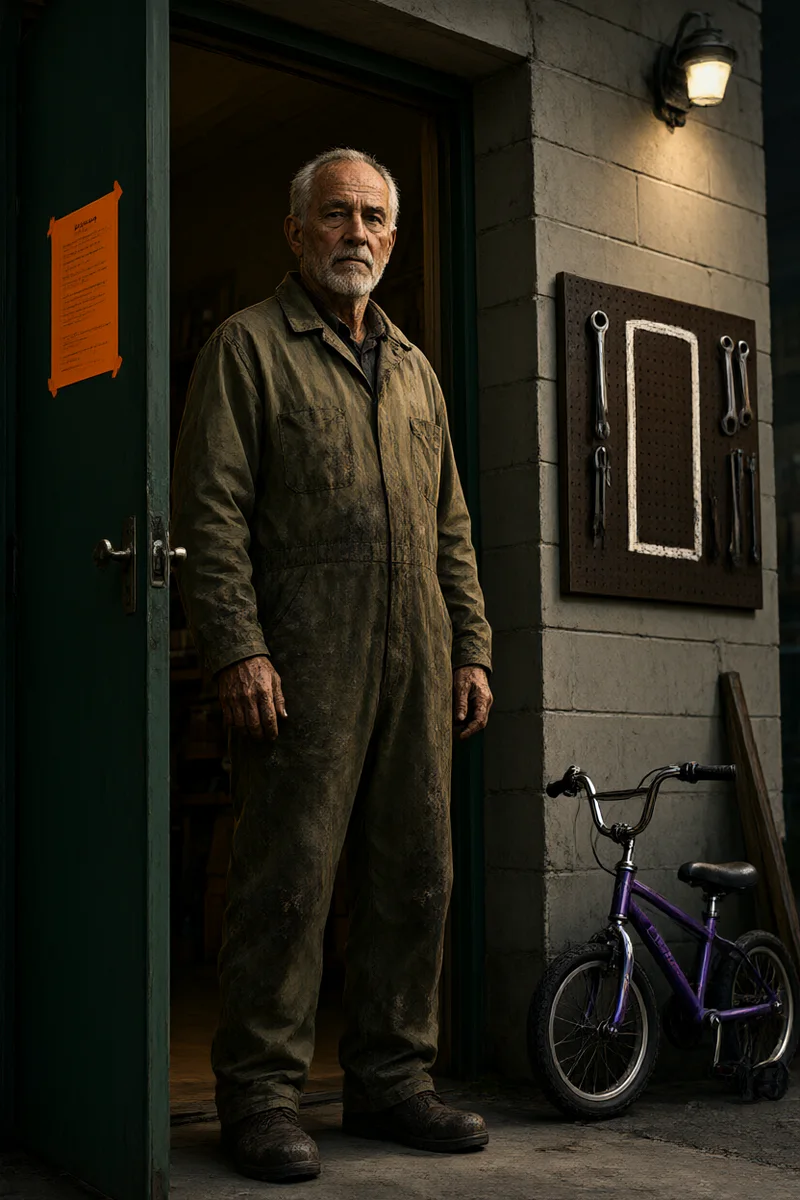
The man with the shovel stopped. He had cleared my lot every morning since the first snow on November ninth, a neat gray rectangle cut down to the asphalt, and every morning I handed him a paper sack of whatever hadn’t sold the day before. That was the whole arrangement. I knew his name was Quentin because he’d written it on the back of a receipt the first week, in handwriting better than mine, with a phone number under it in case the lot ever needed doing twice. I knew he took the rye over the white. That was all I knew.
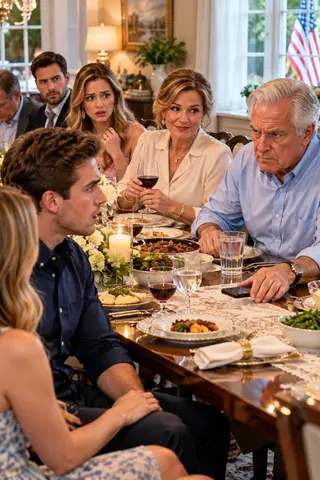
He leaned the shovel against my dumpster. “For what?” “Three days. My sister’s wedding at the Varrow House. December twenty-second through the twenty-fourth. You’d be my date.”
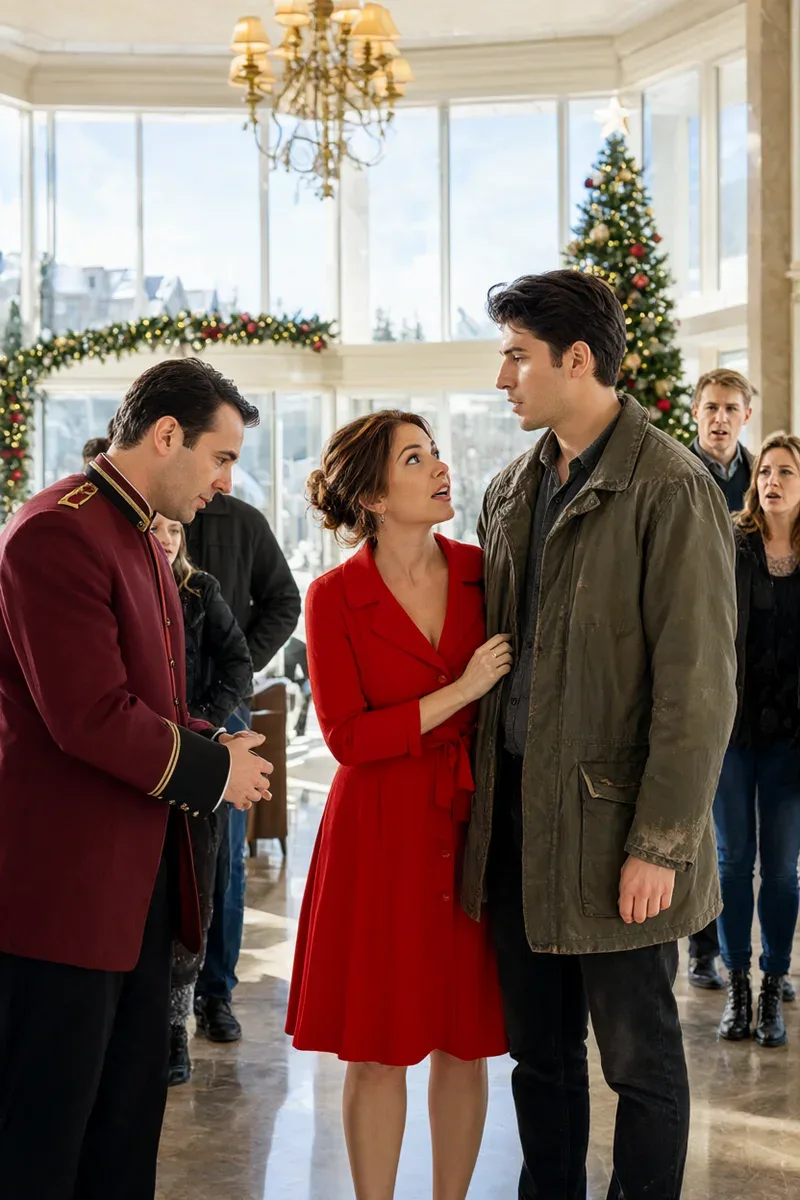
Snow ticked against the hood of his parka. It was army surplus, olive, with silver duct tape across one elbow. He looked at me the way he looked at the lot before he started: measuring.
“Why me?”
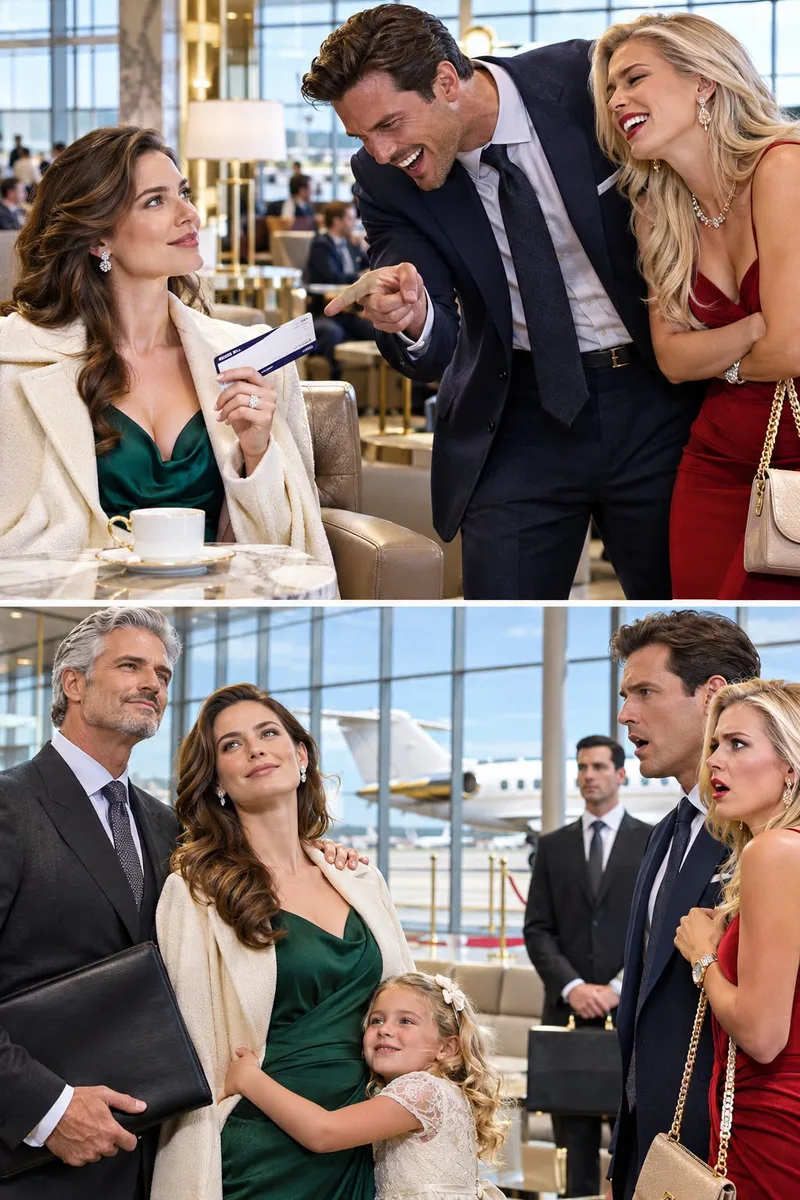
It was a fair question, and none of my answers were flattering. My ex-fiancé, Thayer Kettering, was a groomsman. Thayer had left me two years ago, eight weeks before the wedding we’d planned, for a woman named Marjolaine Abernook whose father owned a jet. My mother had sent me the seating chart with a note: “Table 9 is lovely, near the kitchen doors, you’ll feel at home.” And every man I knew in Tamsack had either dated me in high school or bought rolls from me on credit.
“Because you’re here,” I said. “Because you don’t talk. Because I would rather pay a stranger than walk into that ballroom alone and let Thayer watch me do it.”
He took off his cap. His hair was dark and too long, and his face was younger than I’d assumed, mid-thirties, with a small white scar through the left eyebrow.
“One condition,” he said. “You don’t ask me about my past. Where I came from, why I’m here. None of it.”
“That’s easy. I don’t want to know.” That was a lie, and we both heard it.
“Then yes.”
I stuck out my hand, floury to the wrist. His palm was rough, but his grip was careful, like a man who’d been taught to shake hands by someone who cared about it.
“Do you have a suit?” I asked. He said he could get one.
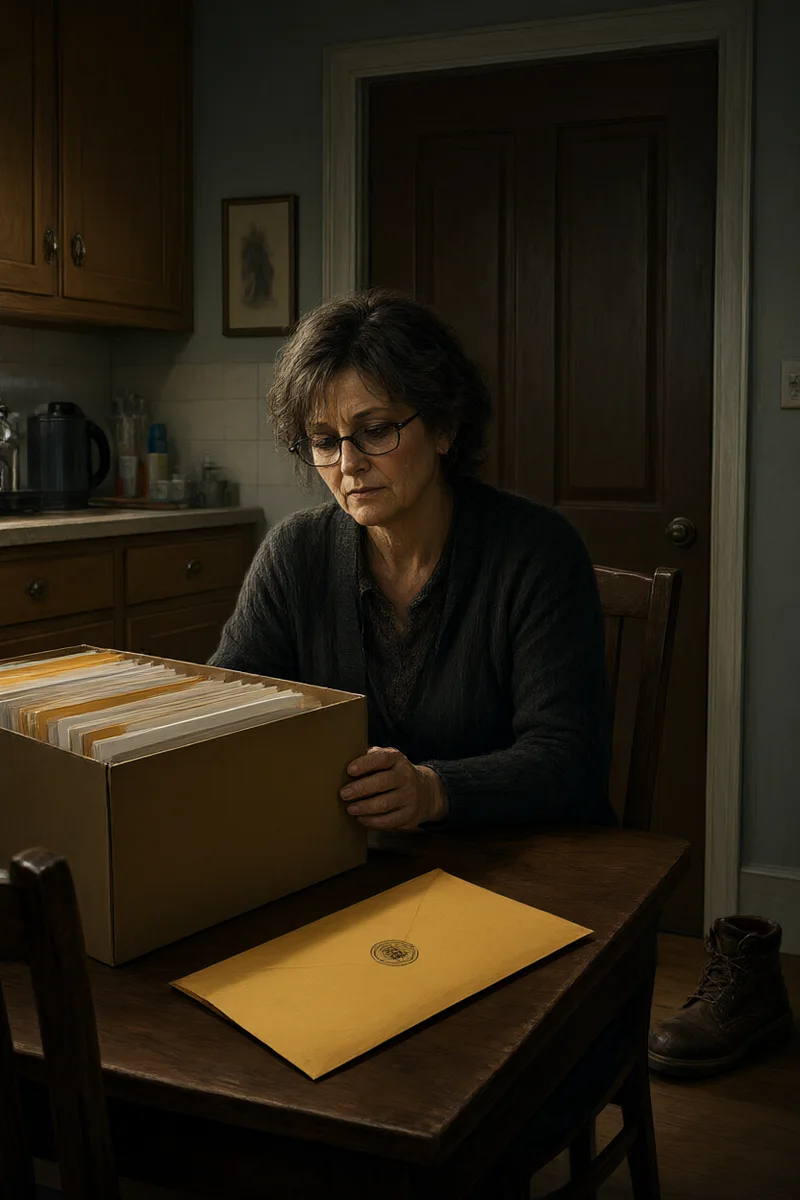
I went back in to pull the sourdough, and he followed as far as the doorway, the way he always did, never further. That was when he saw the letter on the counter. It had come Saturday, on thick cream paper: Lakeline Acquisitions LLC, offering to purchase the building at 18 Pinchot Street, “including all fixtures and the business known as Odell Bakehouse,” for a figure that had made me sit down on a flour sack.
Every shop on my block had gotten one. Fenno’s Hardware. Mrs. Ilka’s laundromat. The rumor was condos.
Quentin read the letterhead without touching it. His face went flat, like a lamp switched off in a back room.
“Did you sign this?” “Not yet. My mother owns half the building. She wants to.”
He put his cap back on, very slowly.
“Don’t,” he said. “Don’t sign anything until after Christmas.”
Then he picked up his shovel and walked out into the dark before I could ask how a man who worked for bread knew what that letter meant.
The End