 Care of Langstrom's
Chapter 4
Sixty Percent
He came the next day at half past three, and the day after, and by the second week Lucinda had stopped calling him the widower and started calling him booth four.
He was, Josie decided, the least handy man she had ever served. He could not get ketchup out of a glass bottle. He tried to bus his own plate and put it in the pie case. But he asked questions like a man taking a census. How much of the lunch trade walked over from the store? Lucinda, flattered, fetched her book: six in ten, more in December. What happened to Mr. Zoltan's shoe repair next door when the store ran a sale?
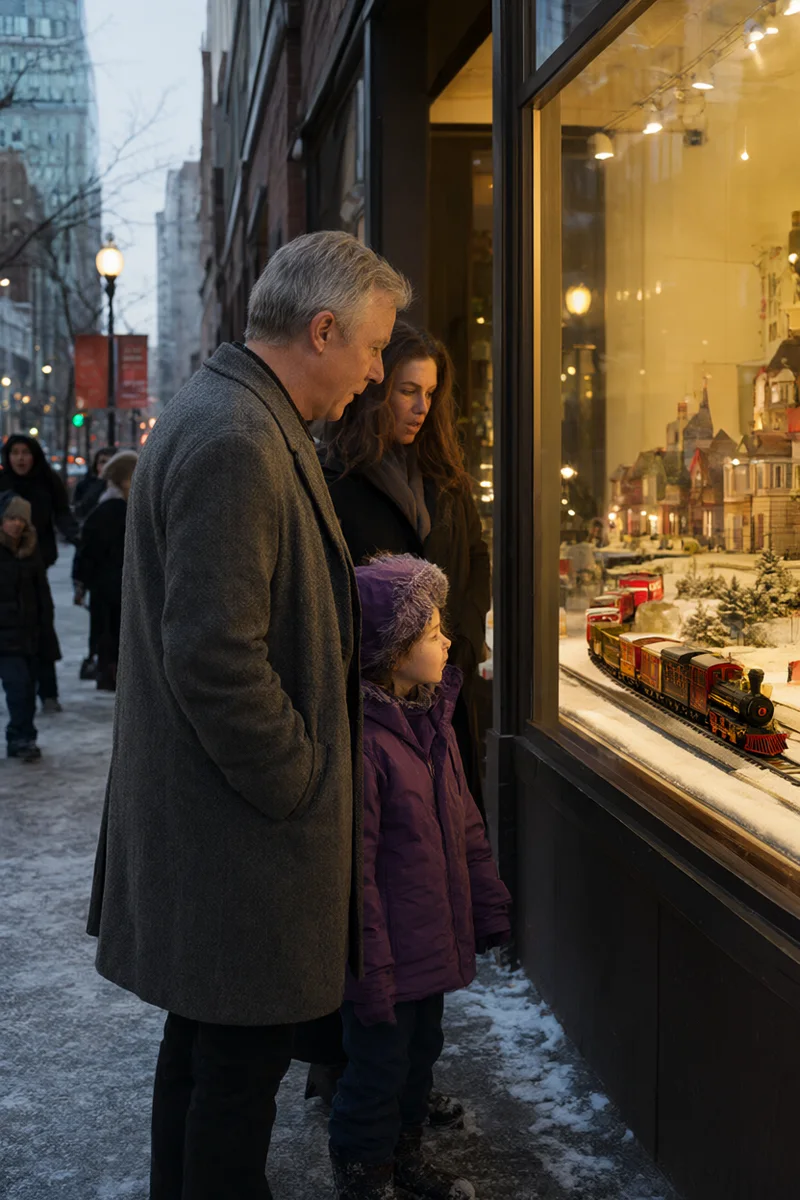
Tilly had taken him on as a project. On Saturday she made him stand at the diner window with her from noon to four while she counted everyone who stopped at the train, and wrote the total in the notebook with the horse on it, and then counted how many of them went inside, which was a smaller number and made her frown.
"What would you do with it?" he asked Josie on the ninth day, a Friday. "The store. If it were yours."
"Sell it and move to Tucson, like Tilly's father." She wiped down the next table. "He went when she was one. He sends a card with a cactus on it."
"Seriously."
Nobody had asked her seriously in some time. "There are four floors up there and they sell on two. Three's been mannequins and dust since I was in high school. Meanwhile the whole head office sits in a glass box out on Route 9, and they rent it. I wrapped a bathrobe once for a man from accounting who told me what the rent was, and I nearly took my thumb off." She shrugged. "Put the suits upstairs. They'd have to eat lunch somewhere. They'd have to walk past the handbags. And he'd have to look at the place."
Ev had a pen out and was writing on a napkin. "He would," he said.
"Why do you care, anyway? Are you a reporter?"
"No." He capped the pen. "Josie, there's something I ought to have said the first—"
The bell went. It was Dashiell from the shoe department, twenty-two years old, in his name badge and no coat, and his face made the whole counter turn around.
"They just told us. Everybody up to the third floor, a man from head office with slides. We close the twenty-sixth, for good. The building's sold. They're knocking it down for hospital parking."
Lucinda came around the register with her order book still open. "Sold."
"Sixty days' pay and a pamphlet about the mall stores," Dashiell said. "Verna walked out in the middle of it."
Josie looked across the street out of habit. The train went around. In the booth Tilly had gone very still, the way she did at the doctor's.
Lucinda did the arithmetic aloud. Six in ten at lunch, nearer seven in December. "Josie, honey, I won't lie to you in front of people. After New Year's I can't carry dinners. I can give you breakfasts."
Breakfasts were four hours and truckers who tipped in quarters. Josie nodded as if she had been told the soup. She had $184 in checking and a battery that would not see January, and she had now lost half of one job less than a month after losing the other.
She turned to say something to Ev. Booth four held a ten-dollar bill under a saucer and one occupant, and the napkin was gone.
"He went white, Mom," Tilly said. "Then he said a word. The car one." She thought it over. "And he left his pie, so it's serious."
The End









