 Rennie in March
Chapter 6
Wood and Felt
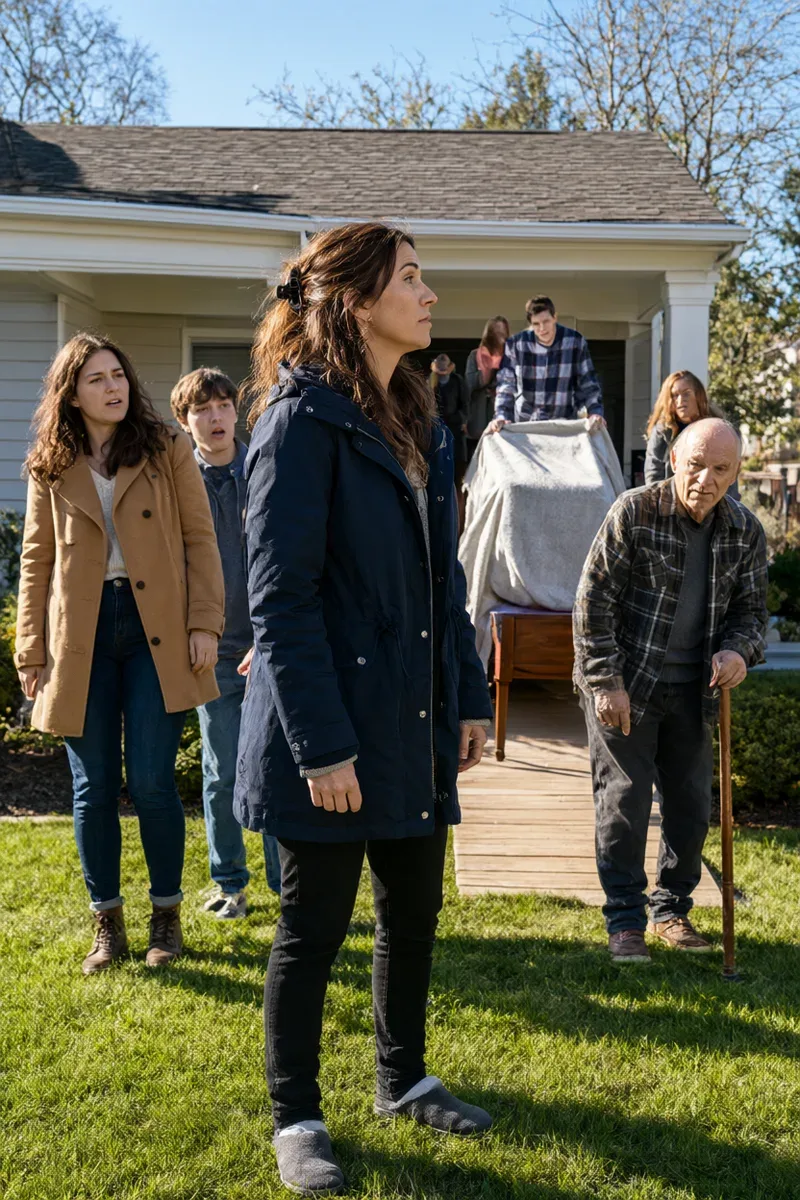
I don't remember the stairs. I remember the cold coming up through my slippers on the driveway and one of the movers saying, "Ma'am, is this yours?" as if Bas were a dog that had gotten out.
"Bas. Honey. You have no shoes on." "I don't care." "Your feet care."
A woman came around the side of the truck with a clipboard: sixties, silver ponytail, a Winnett Piano and Organ fleece zipped to the chin. "Velma Winnett," she said to me, very calmly, the way you would introduce yourself to a hostage-taker. "Is there a problem with the sale?"
"No," said a voice from the porch. Lazare stood at the top of the steps in a plaid bathrobe, leaning on his cane. Annick was behind him in the doorway with a coffee mug, looking like she had not slept either.
"Sebastian," Lazare said. "Get out of the road."
"You said maybe." Bas did not move. "You said Brookfern had a piano in the lobby and maybe."
"I say a lot of things. I'm old. Go inside before your mother has to buy you new toes."
"Two more weeks. That's all. Two weeks."
"It's a piano, boy. It's wood and felt and wire. Somebody in Dayton will play it better than either of us."
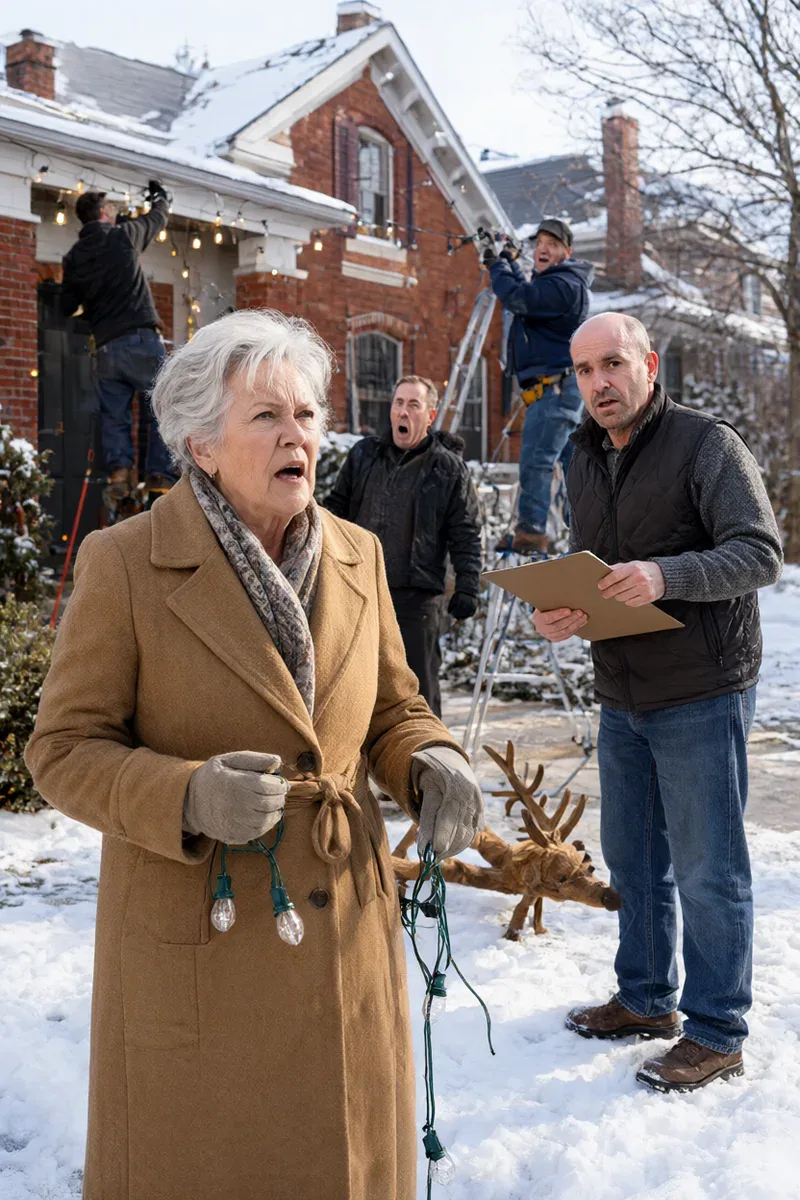
Across the street, Maudie Lundy's front door opened and Maudie came out onto her step in a pink parka with her binoculars around her neck, not even pretending. Two doors down, Shandor Doornbos stopped halfway through scraping his windshield and stood there with the scraper in his hand.
Velma looked at her clipboard, and then at the boy, and then at me. "Mrs. Marczak, I've got a check that cleared on Tuesday and a crew on the clock. I'm sorry. I truly am."
I put my hands on Bas's shoulders. He was shaking, from cold or from the rest of it. I said his name. I said it again. On the third time he let me turn him around.
The men wheeled the piano up the ramp and into the dark of the truck. The ramp went up with a clang. The truck backed out with its beeper going, and every porch on Tulliver Lane watched it go.
When I looked back at the Pelletreau house, the door was shut and the porch was empty.
Bas made it as far as our front steps and then sat down hard on the top one. I sat beside him. He put his face against my shoulder the way he had not done since he was eleven, and he cried the way boys his age cry, angry and embarrassed about it, wiping his face on his father's flannel.
"Three hundred and twenty dollars," he said into my coat. "Sixteen Fridays. I can't even play the bridge."
"I know." "You don't know. You don't know anything about it." Then, quieter: "That's my fault. I didn't tell you."
I got him inside and put his feet in a dishpan of warm water at the kitchen table, which he allowed, which told me how bad it was. I made cocoa from the packet. Neither of us drank it.
After a while he pulled his feet out, dripped up the stairs, and came back down holding a folded sheet of paper. He held it for a second against his chest. Then he put it on the table in front of me and smoothed it flat with both hands.
It was staff paper, the kind you buy in a pad at a music store, gone soft and furry at the creases. Someone had drawn the notes in pencil, too big, with a lot of erasing. Someone else had made small neat corrections in a different pencil, with little arrows.
Across the top, in the backward-leaning handwriting I had read on eighteen years of grocery lists, it said: Rennie in March.
The End