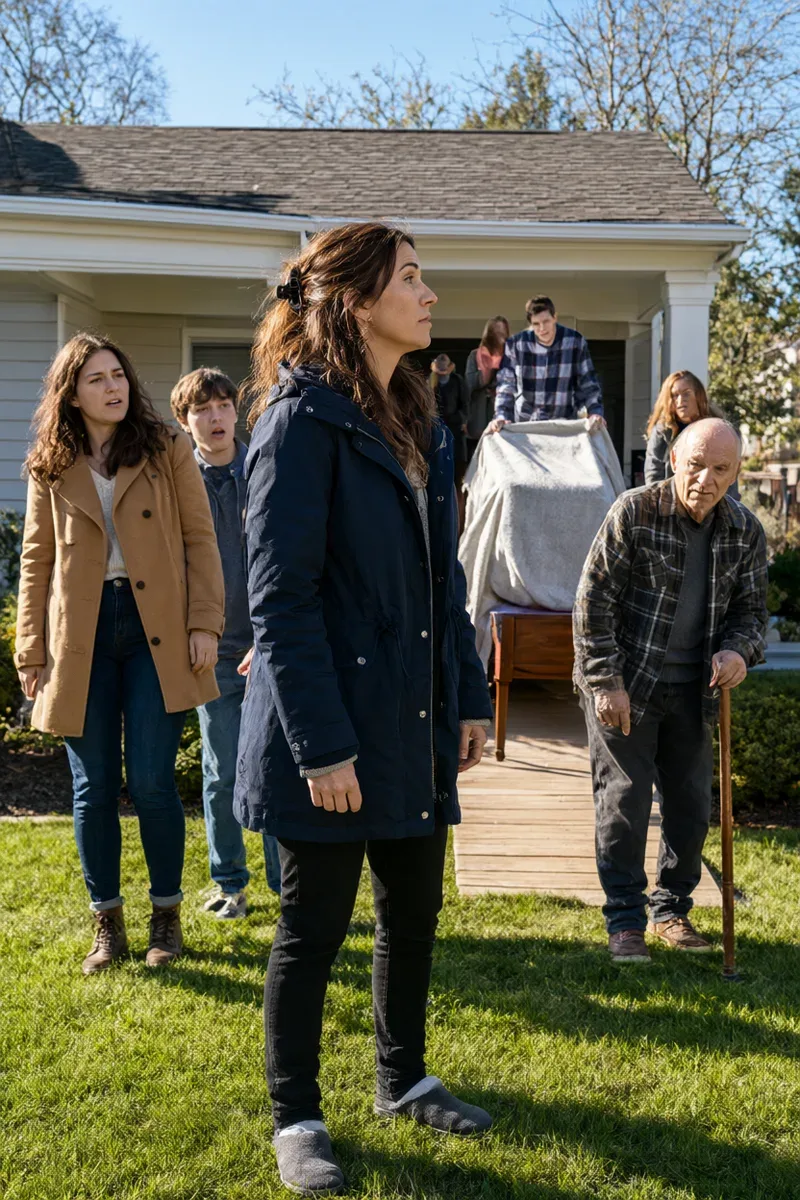
 Rennie in March
Chapter 2
Twice That
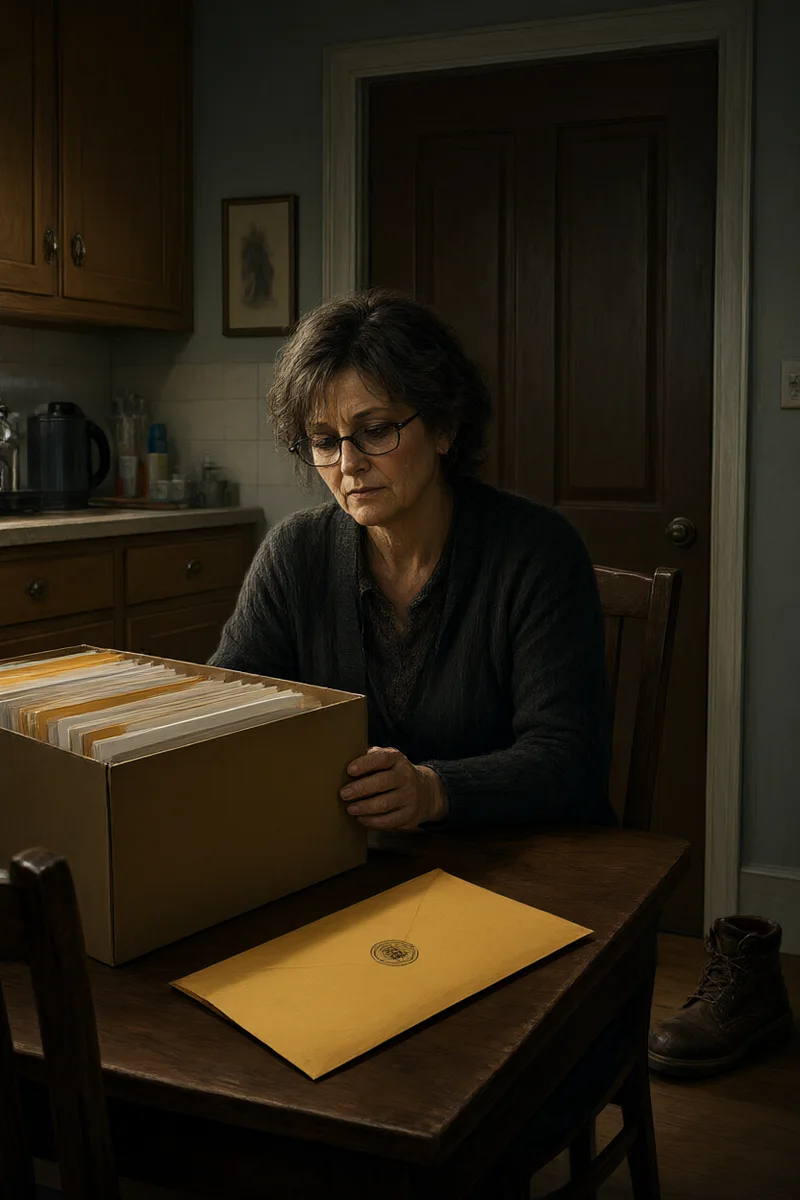
I did not sleep much. At two in the morning I was sitting at the kitchen table with a mug of chamomile, doing math.
Bas mowed lawns in the summer. He had come out of August with a coffee can holding three hundred and eleven dollars, and he had shown it to me like a trophy. When I tiptoed into his room at six and lifted the lid while he slept, there were three bills in it. A ten and two ones.
Twice that on Saturday. Forty dollars. He did not have forty dollars.
At seven-thirty I called Maudie Lundy across the street, because if anything had happened on Tulliver Lane since 1987, Maudie had seen it from her front window with her binoculars, which she claims are for cardinals.
"Pelletreau," she said, with relish. "Mean as a wet cat. Always was. Solange was a saint and he was the price of admission."
Solange had sent me a card when Stellan died, five words in a neat hand that I had never understood. I didn't mention it. "Has he been, I don't know, strange lately?"
"Honey, there was a van there before Christmas. Winnett Piano and Organ, out of Dayton. A woman with a clipboard walked all the way around his house. You don't sell things off unless you need money." She paused to let that sit. "Why?"
"No reason."
"Rennie. Nobody calls me at seven-thirty for no reason."
I told her I had to go. Maudie can be trusted with a casserole and nothing else.
I had a shift at Quennell Family Dental from eight to two. I called in with a migraine, which I had never done in nine years. Dr. Quennell told me to lie down in a dark room. Instead I stood at my kitchen window like a cat at a bird feeder.
At 8:55 Bas came downstairs with his backpack, said he was going to Pascoe's to study, and left through the back door. I watched him cross our yard, lift the latch on the Pelletreau side gate, and disappear around the back of the house. Pascoe lives on Fairmount, four blocks the other way.
I gave it ten minutes. Both our walks had been shoveled clean again before dawn, the way they had been all winter; I had been paying the Doornbos boy for it. I went up the Pelletreau steps and knocked hard enough to hurt my hand.
When the door opened it opened six inches, and Lazare Pelletreau filled the gap: tall, bent at the shoulders, a gray cardigan buttoned wrong, reading glasses on a cord. He smelled like coffee and pipe tobacco, though I had never seen him smoke.
"Mrs. Marczak."
"Is my son here?" I said. "I just watched him go through your gate."
"Then you have better eyes than I do." He did not blink. Behind him the hall was dim and perfectly silent. No television, no voices, nothing.
"I know about the money. Twenty dollars every Friday. Whatever this is, it stops."
He looked at me over his glasses the way you look at a dog that has walked into church. "Then you know more than I do. Good morning, Mrs. Marczak." And he shut the door in my face.
I stood on his porch with my hand still raised. I thought about calling the police and saying what, exactly. A man owns a quiet house.
I went home. When I came up our front walk, my son was sitting on our porch steps with his backpack beside him and his face the color of a brick.
"You read my mail," he said.
The End