 The Giant Biker Refused to Leave the NICU Chair for 12 Hours
Chapter 1
The Weight of Leather and Silence
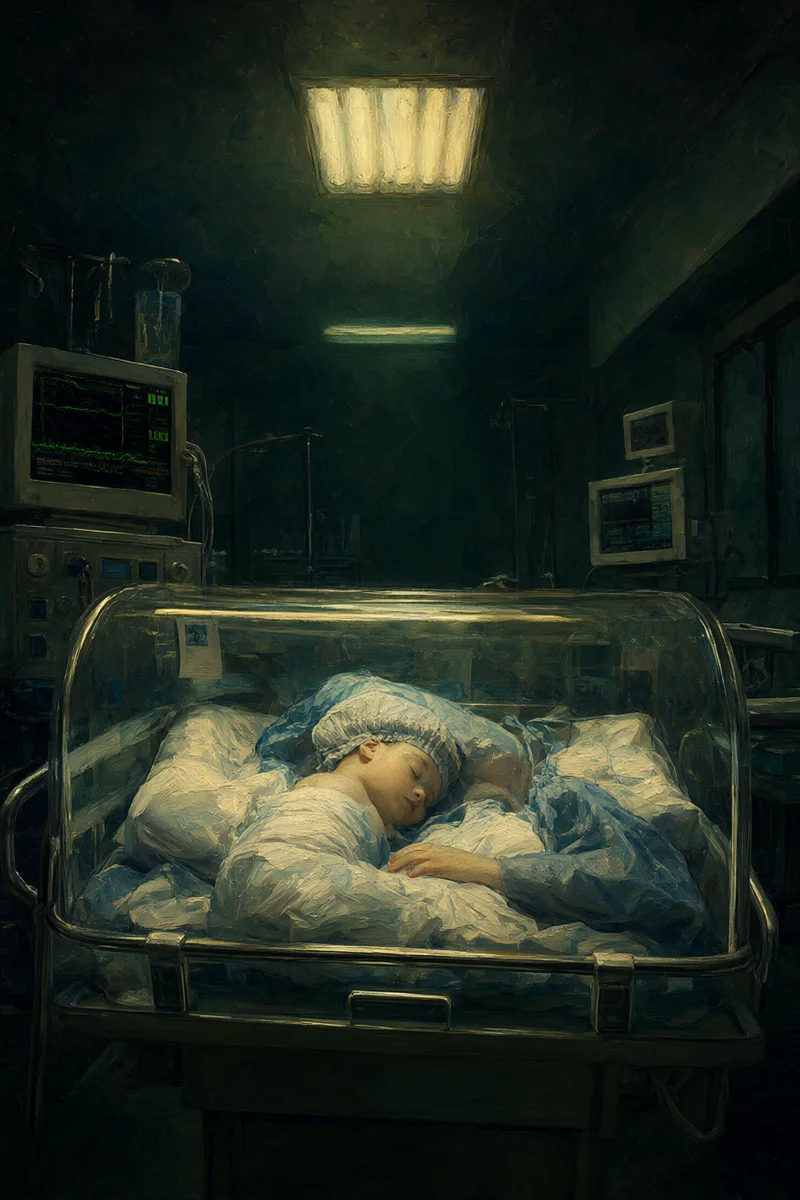
The fluorescent lights of Pine Valley Children's Hospital hummed with a sterile, relentless energy, but inside the Neonatal Intensive Care Unit, time moved differently. It crawled. Every second was measured by the soft, rhythmic blips of heart monitors and the gentle whistle of oxygen tubes. For thirteen years, I had walked these polished floors, wearing my scrubs like armor against a world that too often broke the most fragile lives before they even had a chance to begin. I thought I had seen it all—every shade of grief, every flash of panic, every silent prayer whispered into the dark.
Then Wade Holden walked through the heavy double doors.
He didn't just enter a room; he filled it. At nearly six-foot-seven, with shoulders like a bulkhead and a thick white beard that fell over the collar of his black shirt, he looked less like a hospital visitor and more like a storm front that had rolled in off the highway. His heavy leather vest, adorned with patches and miles of road history, had been left out in the security locker because of hospital rules. But even clad in a loose, light-blue disposable visitor’s gown that strained against his massive frame, "Grizzly" commanded every ounce of oxygen in the hallway.
The nurses froze at their stations. Dr. Harrison looked up from his clipboard, his eyes narrowing behind wire-rimmed glasses. In a place defined by tiny, translucent skin, breath-monitoring wires, and the fragile perfection of newborns, a man built like a demolition expert felt terrifyingly out of place.
Yet, there he stood, holding a small paper badge pinned to his chest that certified him as an official volunteer for the hospital’s infant comfort program. He had cleared every background check, attended every training seminar, and passed every psychological screening. But papers don't change how a human being looks. They don't soften scarred knuckles or erase the intimidating aura of a man who looked like he spent his weekends punching through brick walls.
I watched him from behind the central nurses' station, my hand resting uneasily on a stack of charts. I wanted to believe in the program, in the idea that comfort could come from the unlikeliest of places. But looking at Wade, a cold knot twisted in my stomach. Could hands that big, weathered by decades of hard living and motorcycle grease, truly cradle something as delicate as a two-pound infant fighting for his first breath?
The answer came not from my doubts, but from bed nine.
The End









