 The Corn Days Girl
Chapter 1
Forty-One Seconds
The voicemail came in at 7:12 on a Tuesday night in October, while I was cutting the sound of my own breathing out of episode three.
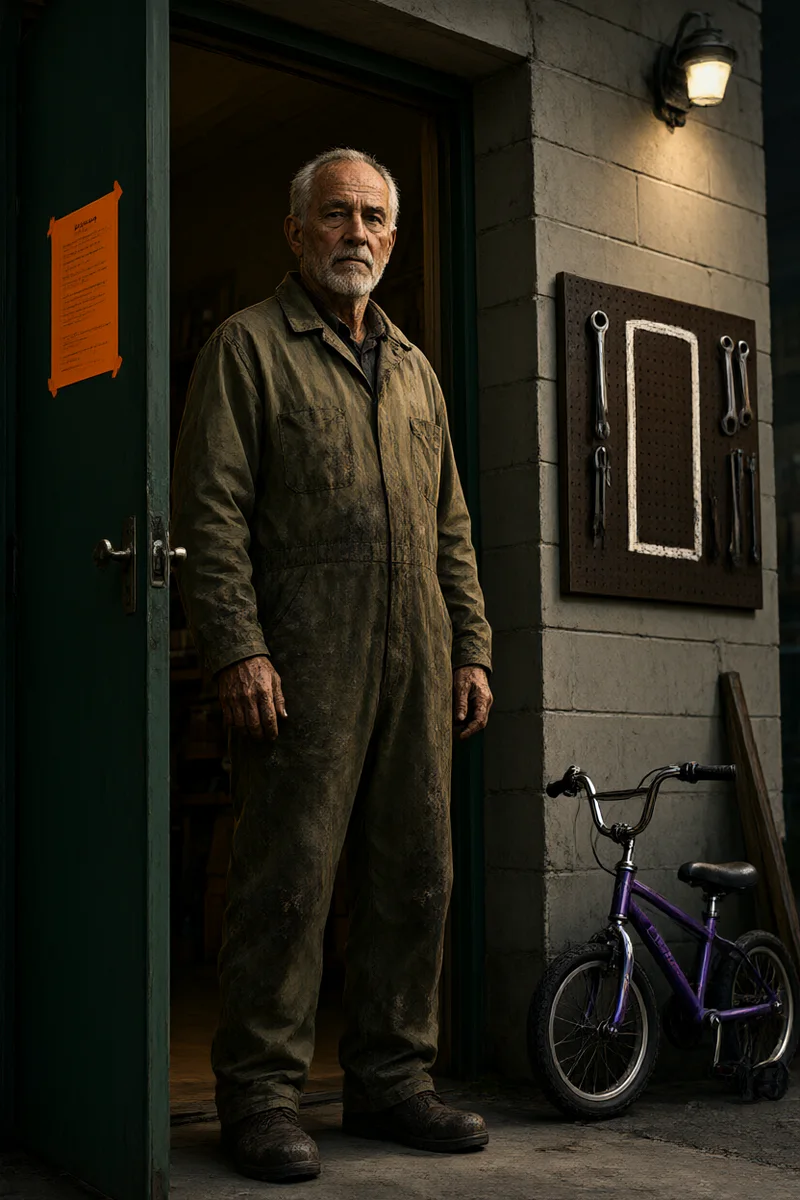
I was in the apartment above Straub Hardware on Commerce Street, the one Sarabeth Mott had found me for four hundred a month, with my headphones on and a cold cup of gas-station coffee holding down a stack of clippings from 1998. My phone buzzed face-down on the card table. Unknown number, Indiana area code. I let it ring out. A minute later the screen showed a voicemail, forty-one seconds long, and I played it on speaker because I assumed it was a listener who had found my number, which happens more than you would think.
A man's voice, old and wet, the kind of breathing that comes with an oxygen tank. "Thimble," he said. "You don't have to keep digging, honey. I'm the one. I put Juliska in Bechtel's water the night of the fireworks. I'm sorry. Let her rest now."
Then a soft three-note chime, high, low, high, like a doorbell in a nice house. Then nothing.
Nobody had called me Thimble since I was six years old.
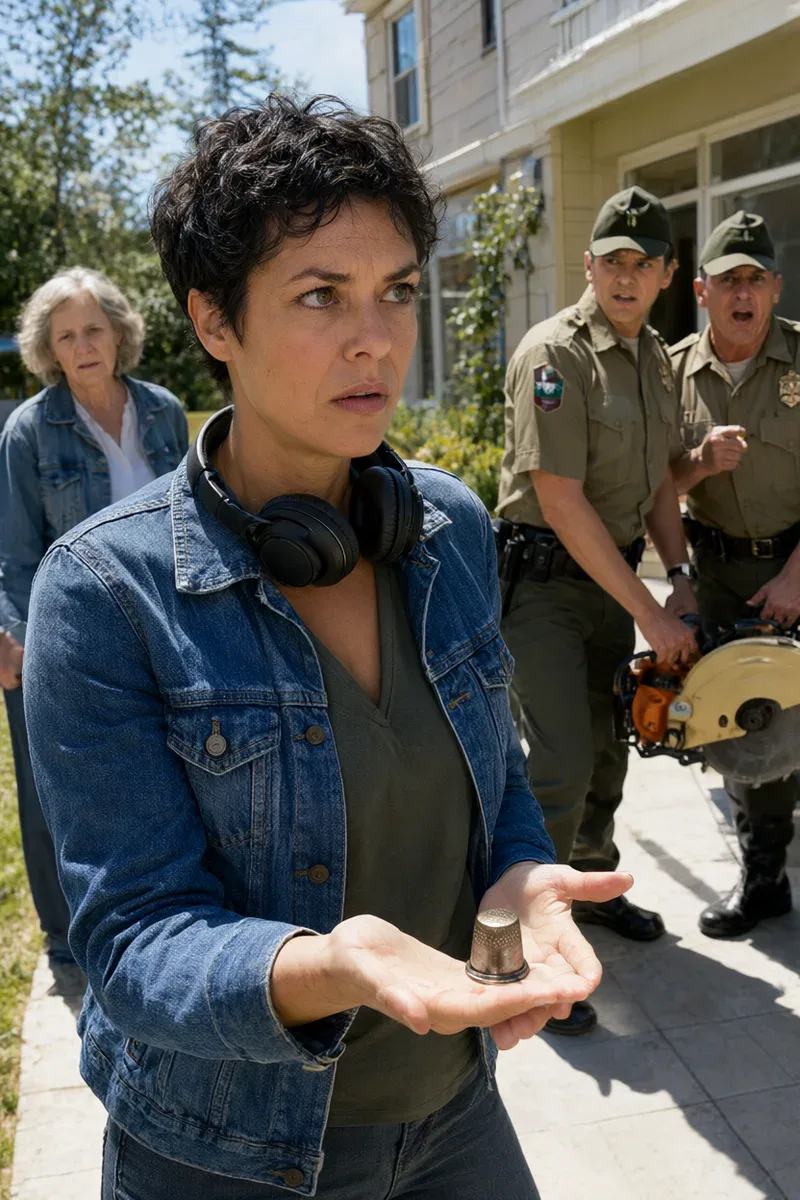
I was five the summer Jules Bekker babysat me, the summer I wore my grandmother's silver thimble on my thumb everywhere: to church, in the bath, to bed. Jules named me for it. She was seventeen, with a blond braid and a teal 1989 Ford Tempo, and on August 14, 1998, after the Corn Days fireworks, she drove out of the fairgrounds lot and was never seen again. They found the Tempo the next morning at the boat ramp of Bechtel's Quarry with the keys in the ignition.
That was the whole case for twenty-eight years. A car, a ramp, and a lot of deep green water the county could never afford to search properly.
My podcast, Slack Water, had done three seasons on other people's hometowns. I was thirty-three, and this was the first time I had used my own.
I called the number back. Four rings, then a recording telling me the customer was not available. I called again. I texted: Who is this? It showed delivered and stayed that way.
Then I called Avis Ferro, my producer, who was in Chicago eating something crunchy. I played it for her through the phone. The crunching stopped.
"Callista," she said. "That's the season."
"It's a man telling me to quit."
"It's a man confessing. On tape. To you. Do you understand what that does for episode four?"
"He called me Thimble, Avis."
"Is that bad?"
I did not know how to explain it to someone who grew up in a high-rise. In Kessick, Indiana, population 4,100, everybody knows your business, but nobody knows your baby name. That one had belonged to Jules. To Jules and me, and to whoever had stood in my mother's kitchen that summer and heard her use it.
"Send me the file," Avis said. "Don't post anything. Don't call the sheriff yet."
"I'm calling the sheriff."
"Fine. Call him. But let me hear it in real headphones first."
After she hung up, I put my own headphones back on, pushed the gain as high as it would go, and played the message again. And again. The fourth time, I closed my eyes.
Under the hiss, in the half-second before he said my name, someone else in that room breathed in. Not him. His breathing had a rattle in it. This one was smooth and close to the phone, and just before the chime it shaped a sound that might have been a word.
There had been two people in that room, and only one of them had wanted me to hear him.
The End