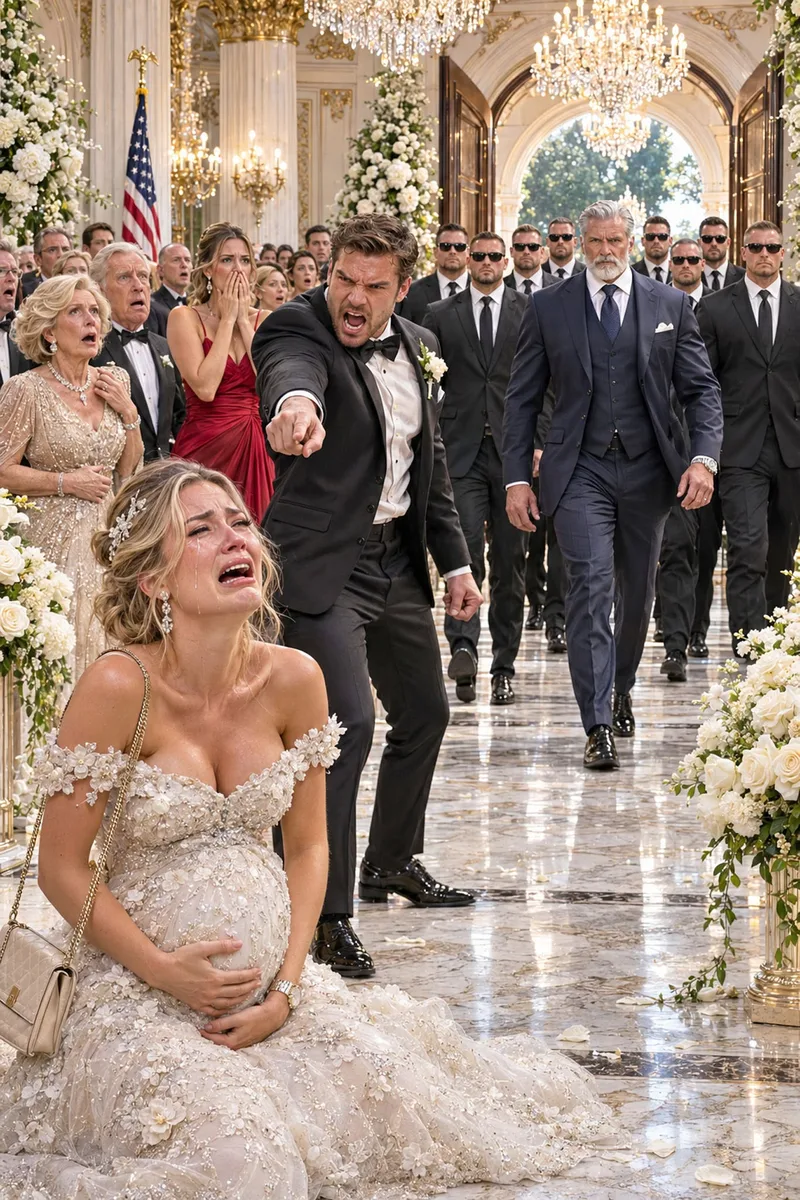
 Seven Months Pregnant, I Was Thrown Out of My Sister-in-Law's Wedding Until My Father Revealed an $18.4 Million Secret
Chapter 9
The Day She Arrived
My contractions began on a Tuesday morning close to my expected delivery time. I had been folding towels with Maya when I felt the first sustained tightening. We followed the plan my clinicians had explained, noted the timing, and called the maternity unit when the pattern and symptoms warranted advice.
I was frightened even though I knew that labor often began without drama. The memory of the wedding pain returned immediately, and I found myself apologizing for being anxious. Maya told me I didn't need to apologize for asking questions. I wrote the answers down and let the medical team guide the next steps.
Dad drove us to the hospital after confirming the route and where to park. He had insisted for weeks that a professional driver would be more efficient, then admitted he'd rather be the one who brought his daughter. I accepted, with Maya beside me. The trip was ordinary enough that traffic lights became our main concern. I watched the city through the window and thought of how different this drive felt from the ambulance leaving the Beaumont Grand. There was pain and uncertainty now too, but nobody was arguing about whether I deserved to be believed.
At the hospital the team assessed me and explained what they found. I was admitted, and the hours that followed did not move according to any of the comforting schedules I'd imagined. Maya stayed beside me as the primary support person. Dad waited nearby, checking on us without demanding updates every few minutes.
When Drew was informed through the agreed channel, he replied that he was available and would follow the plan I chose. I did not invite him into the labor room. The decision wasn't punishment. It was about where I felt safest while doing something physically difficult and deeply personal.
The labor took longer than I expected. I became tired, angry at the pain, and frightened when the clinicians discussed possible changes to the plan. They explained their assessments and recommended steps based on what they observed. I asked them to repeat several things. Maya took notes and reminded me that I could ask questions even when everyone else seemed busy. I had spent years inside a family where questions were treated as an insult to the person in charge. Here they were part of caring for me. The difference made the room feel steadier.
My daughter arrived after a long night, crying with a strength that astonished me. When the clinical team confirmed she was doing well and placed her near me at the appropriate time, I stared at her face and felt something inside me become quiet. I had imagined the moment in a hundred ways: Drew holding my hand, his mother finally softening, the whole family gathering around a crib. None of those scenes had happened. This one was real. There was a tiny person breathing against me, and the people in the room were focused on keeping both of us safe.
I named her Ada after my grandmother, who had taught me that courage often looked like carrying groceries to someone who needed them. Dad cried when I told him. He tried to say something grand about what his mother would have thought, then gave up and kissed my forehead instead.
Maya took a photograph at my request. My hair was damp, my eyes were swollen, and Ada was wrapped in a plain hospital blanket. It was the most beautiful picture I'd ever seen. I asked Maya not to share it yet. The moment belonged to us before it belonged to anyone else's story.
Drew came later when I was ready for a short visit and the staff had agreed. He stopped just inside the room as though afraid crossing another inch might be unwelcome. I told him he could come closer. He looked at Ada for a long time without speaking.
When he finally asked whether he could hold her, I checked with the nurse and agreed. He followed the instructions carefully. He had held a microphone so confidently at Nora's wedding. Holding his daughter, he looked uncertain of every movement. I hoped he would learn that uncertainty could make someone careful rather than cruel.
He asked how I felt. I told him I was exhausted and sore and that the medical team had a plan for recovery. He said he was sorry he had failed to help me when I first asked for medical attention at the wedding. For once he did not follow the apology with a story about his fear or anger.
I let the words stand. He asked whether I had chosen the name Ada because of my family. I said yes. He smiled faintly and told our daughter she had a good name. I watched him speak to her and felt grief for the fatherhood we had once imagined sharing under one roof.
Before he left Drew asked what he should do next. I showed him the written arrangements and explained how appropriate medical updates and visits would work during recovery. He agreed to follow them. I told him that our daughter deserved both care and honesty, and that any future relationship between us would have to be built on those qualities rather than appearances. He nodded. We did not discuss a reunion. Ada was sleeping, and I did not want her first day shaped by a negotiation over our marriage.
That evening Dad sat beside the bed while Maya went home to rest. He looked smaller in the hospital chair than he had in the ballroom, his silver hair untidy and his shirt wrinkled. He asked whether I regretted keeping our family's wealth private from Drew. I thought about it carefully. I regretted letting silence become part of the distance between us. I did not regret wanting to be loved for myself. Dad said those could both be true. Then he asked if he could hold Ada. I placed her in his arms and watched his whole face change.
The following days were full of feeding questions, sleep in fragments, and paperwork that seemed never to end. Maya helped me learn the ordinary routines, and the medical team answered questions without making me feel foolish. I sent appropriate updates to Drew through the agreed channel. He asked how Ada was doing and whether I needed supplies, then respected the answer. Those small actions did not erase what happened at the wedding. They did show that a man could begin doing useful work when he stopped demanding credit for saying the right thing.
When we were ready to leave the hospital, Dad carried the overnight bag while Maya checked the car seat with the guidance we'd received. I stood by the door holding Ada and thought about the last time a uniformed person had approached me while I was in pain. That memory would stay with me.
But now the people around me were asking what I needed and waiting for my answer. I walked toward the car with my daughter in my arms, not knowing every detail of the future, and certain that it would not be decided by a microphone in somebody else's ballroom.
The End









