 Kindest to the Colonel
Chapter 1
Four Point One Million Reasons
"The entirety of my residuary estate, valued at approximately four point one million dollars," Everard Mothwick read, "I leave in trust for the care and benefit of my basset hound, Colonel Biscuit."
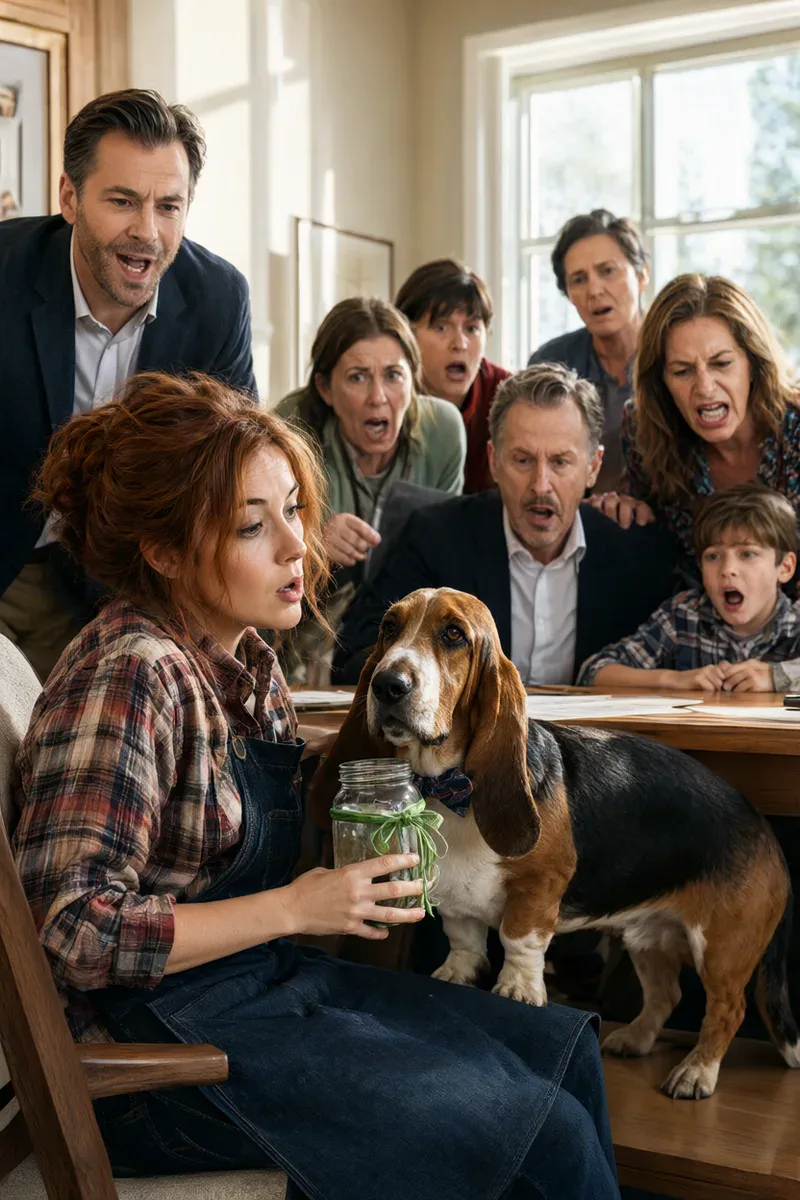
Under the conference table, Colonel Biscuit heard his name, lifted one ear off my sneaker, and decided it wasn't worth it. He was eleven years old and sixty-one pounds, and he had slept through my grandmother's funeral too.
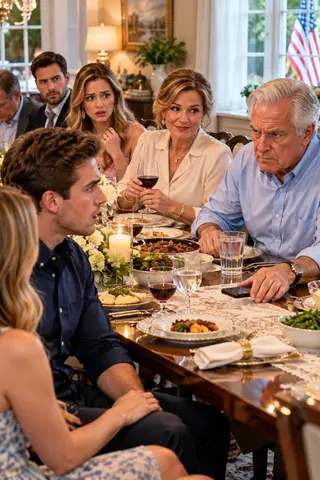
Aunt Verena laughed first. It was a real laugh, a delighted bark, the kind she usually saved for other people's divorces. Uncle Lyall chuckled into his fist. My cousin Brynlee, who had flown up from Charlotte with a ring light in her carry-on, raised her phone to film the dog.
"Oh, Mother," Verena said to the ceiling. "That's wonderful."
"There's more," Mr. Mothwick said. He was seventy-four, thin as a coat hanger, and had been my grandmother's lawyer since before I was born. "'I name my granddaughter, Greer Hartigan, guardian of Colonel Biscuit and sole caretaker under the trust. She shall reside with him in my house on Pellard Street and receive an allowance of thirty-five hundred dollars per month for as long as he lives.'"
The laughing changed key. It got louder and thinner.
"Greer," Lyall said warmly, the way you'd say the name of a waiter who'd brought the wrong wine. "Well. She does wash dogs."
"Groom," I said. "Washing is about a third of it."
"She dropped out of law school," Verena told Mr. Mothwick, in case he'd missed it in the paperwork. "After second year. Mother paid for all of it and she just walked away."
I had been the family disappointment for six years, and I'd gotten good at it. I knew to smile. I knew not to mention that I owned a shop, Lather & Lark, one chair, next to the laundromat on Cassilis Avenue, and that it paid its own rent. I rubbed the Colonel's ribs with my foot and waited.
"'Upon the death of Colonel Biscuit,'" Mr. Mothwick read on, "'the remainder shall pass outright to whoever has been kindest to him, as determined in the sole discretion of my trustee, Everard Mothwick.'"
Brynlee lowered her phone. Nobody laughed after that. My cousin Lowry, Lyall's son, who had come in late and sat by the door in hospital scrubs, made a small sound that might have been a cough.
"That can't be legal," Verena said.
"Pet trusts are valid in every state," Mr. Mothwick said. "I'm the trustee. I enforce it. Your mother anticipated the question and asked me to answer it in her words. 'Yes, Verena, it is.'"
Lyall leaned back. He was the family success, a financial adviser with a sailboat and a tan in March, and he had managed Gran's money for twenty years. "Everard. 'Kindest.' That's not a legal standard. That's a greeting card."
"It is the vaguest clause I have ever been asked to enforce," Mr. Mothwick agreed, "and I once administered a bequest conditioned on a parrot's approval."
Then Aunt Verena got down on her knees on the carpet and said, "Hello, Biscuit. Hello, handsome boy," in a voice I had never heard her use on a human child.
The Colonel opened one eye, considered her, and passed gas.
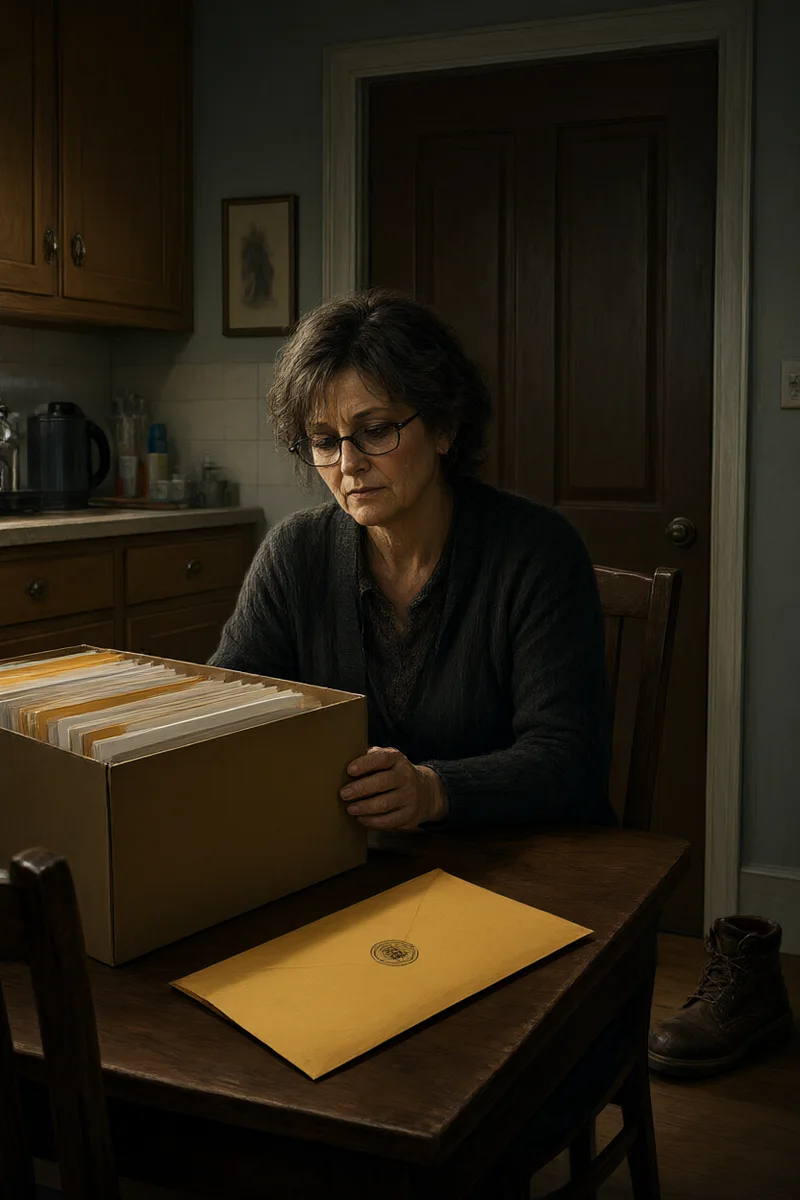
After they'd gone, Mr. Mothwick unlocked a drawer and set four sealed envelopes in front of me. Every one was in Gran's fountain pen, the blue-black ink she bought by the bottle, and every one was labeled. When Verena calls a lawyer. When someone takes him. When it's over. The fourth said: When Greer asks why she really left school.
"I know why I left school," I said.
Mr. Mothwick put the envelopes back in the drawer and turned the key. "Your grandmother," he said, "was fairly sure you didn't."
The End