 Three O'Clock Bride
Chapter 3
Three O'Clock
On June thirteenth it did not rain. I had been afraid it would, and that the pavilion would empty into the Glasshouse, and that I would be married under a dripping awning with my ex-fiancé's florist stacking his white peonies around me.
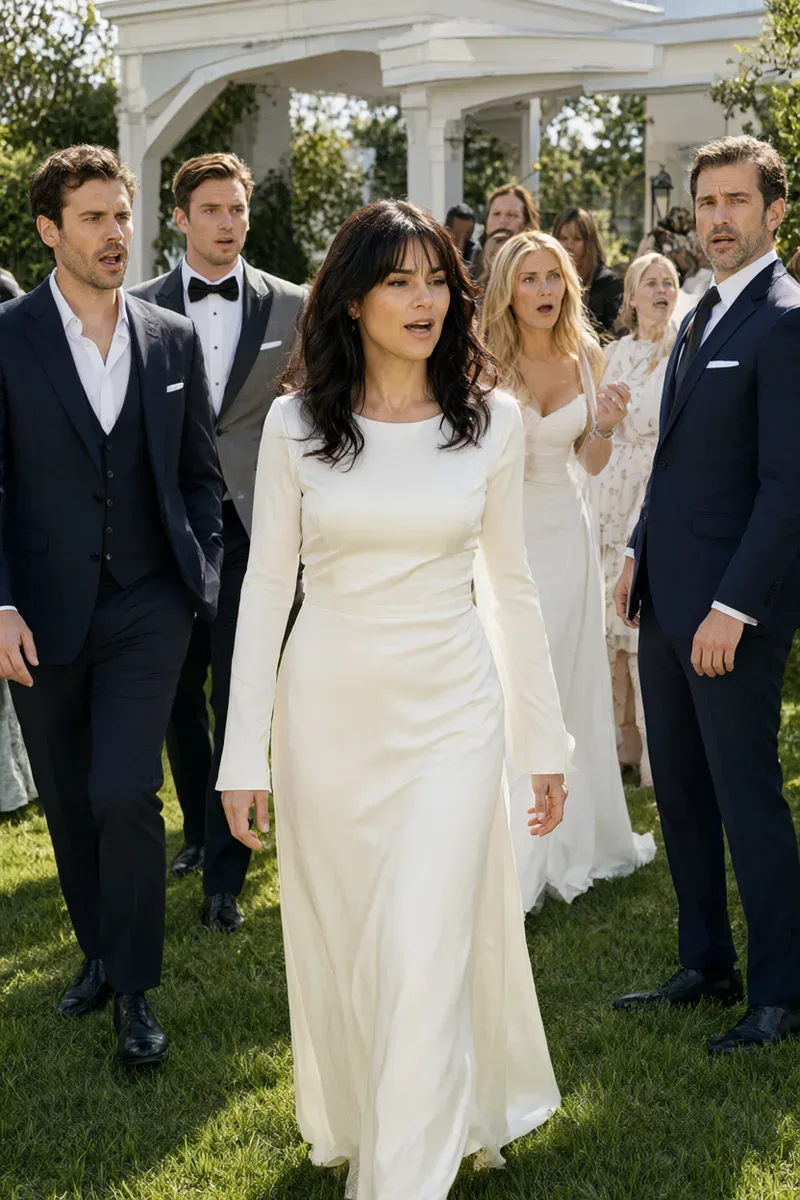
Instead the lawn was hot and green and smelled of cut grass. I wore ivory silk with long sleeves, bought off a rack in the city by a saleswoman who cried when I told her why. Mireille stood up for me. My father had been dead six years, so a retired harbor pilot named Augustin Velasquez-Pratt, who had taught me nautical Portuguese when I was twenty, walked me down a strip of canvas between rows of folding chairs.
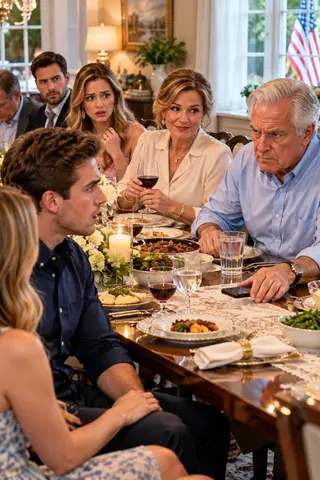
The Altamura side filled every one of them. Men in dark suits, women in good jewelry, children in clip-on bow ties who had been told to sit still and were not doing it. One little boy announced to the whole row that he needed to pee "right now, not later."
Severo stood under the pavilion with his hands folded. When I reached him he did not take my hand. He held his palm out, open, and waited.
Clause seven. I put my hand in his.
The officiant was a county judge. It took eleven minutes. When she said he could kiss the bride, Severo bent and asked, very quietly, "May I?" and I said yes, and he kissed my cheek, and the Altamura side applauded as if he had done something daring.
At 3:41 the Ingram cars began arriving at the gate.
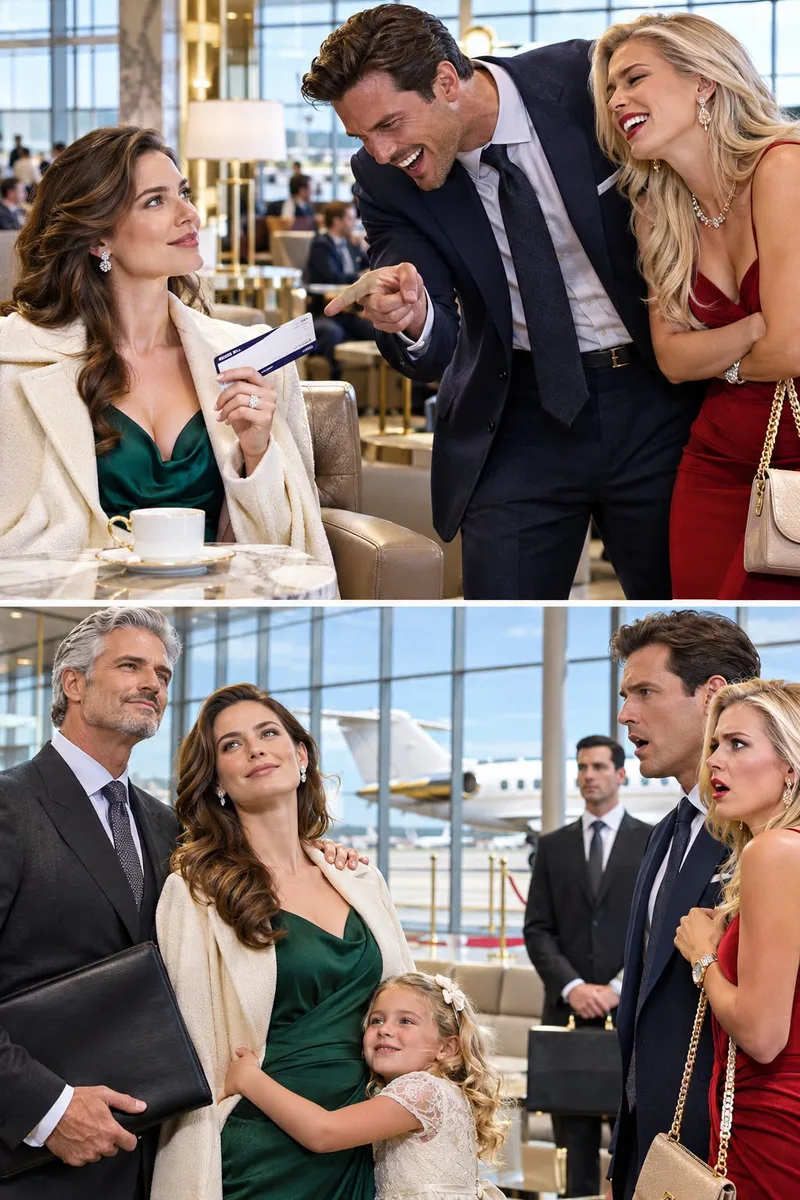
I saw Talbot first. He was in the gray morning suit we had chosen together in February, walking up the gravel path toward the Glasshouse with his groomsmen, and then he saw the pavilion, the chairs, the photographer, and me. He stopped so suddenly that his best man walked into him.
Clementine came up behind him in the dress. Not my dress; she had at least bought her own. But the veil was the one Odalys had bought for me, and Clementine's hand went to it, as if it were suddenly too heavy to wear.
Talbot crossed the lawn. Severo's people did not stop him. Severo did not stop him either. He only moved half a step, enough that Talbot had to choose to go around him.
"What is this?" Talbot said to me. "Cosima. What the hell is this?"
"A wedding. You got the invitation."
"I thought it was a joke. Somebody's sick joke." He looked at Severo and lowered his voice, which made it worse. "Do you have any idea who he is?"
"Yes," I said. "Do you have any idea who you are?"
His face did something I had never seen it do. It went young and frightened. For half a second he looked like a man who had left a stove on in a house he could no longer get into.
"Mr. Ingram," Severo said pleasantly. "Your ceremony is at four. You'll want to be inside."
Talbot went. Clementine stood on the gravel for a moment longer, looking at me, and I could not read her face, which bothered me. I can usually read anything.
As the guests drifted toward the cars, an old man in a cream linen suit came to kiss me on both cheeks. He was Severo's uncle Ercole, his father's younger brother, and he smelled of cigars and lime.
"Welcome to the family," he said in Italian. Then, still smiling, still holding my shoulders: "A girl who reads for a living. Be careful what you read."
The End