 The Nightmare Beneath the Fiberglass: A Medical Thriller About Domestic Control, Hidden Crimes, and Ultimate Justice
Chapter 9
Dawn Over Manhattan
By 6:00 AM, the first pale rays of early morning sunlight were breaking over the Manhattan skyline, painting the glass towers of the city in brilliant shades of amber and gold. The storm clouds from the previous evening had completely cleared, leaving behind a crisp, clean spring morning that felt entirely disconnected from the nightmare of the past twenty-four hours.
I stood by the large window of the hospital staff lounge, holding a steaming cup of black coffee and looking out over the bustling avenue below. Sirens could still be heard in the distance—not the terrifying sirens of emergency trauma, but the purposeful, coordinated sirens of federal law enforcement dismantling a criminal empire.
According to the early morning briefing sent over by Detective Miller, the simultaneous raids on Daniel Harris’s secondary properties had been a complete success. Federal marshals had arrested three key co-conspirators, seized millions of dollars in embezzled assets, and—most importantly—rescued two elderly individuals who had been locked away in isolated rooms under the fraudulent pretense of medical quarantine.
The nightmare was over. Justice was moving swiftly, and the architects of the suffering were finally facing the consequences of their actions.
My phone buzzed on the laminate table. I picked it up and saw a secure text message from Detective Miller:
“Federal indictments are locked in. Daniel Harris is facing life without parole on charges of attempted murder, kidnapping, corporate embezzlement, and racketeering. Thanks to your quick thinking in Trauma Room 2, we blew the lid off the entire operation. Great work, Doc.”
A quiet, profound sense of relief settled over my chest. I finished my coffee, tossed the paper cup into the recycling bin, and walked back down the quiet corridor toward the ICU.
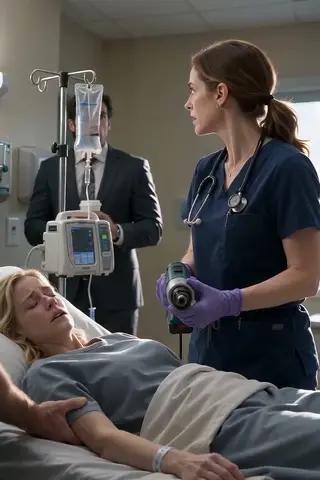
When I pushed open the door to Emily’s room, she was awake, sitting up slightly against the pillows, watching the morning light pour through the window. Her color was better, her breathing was strong and even, and for the first time since she had arrived at the hospital, there was a faint, genuine spark of hope in her eyes.
She turned her head as I walked in, offering a soft, tired smile.
“Good morning, Dr. Jenkins,” she said, her voice sounding clearer and stronger than it had the night before.
“Good morning, Emily,” I smiled, walking over to check her surgical dressings and adjust her monitor. “How are you feeling this morning?”
“Like I’ve woken up from a ten-year nightmare,” she whispered, looking down at her bandaged arm, then back up at me. “I know I have a long road ahead of me... learning how to rebuild my life, dealing with the physical therapy, facing the court trials. But for the first time in my life, I’m not afraid.”
“You don’t have to be afraid ever again,” I told her firmly, taking her hand in mine. “You survived the worst storm imaginable. Everything from here on out is yours to reclaim.”
The End









