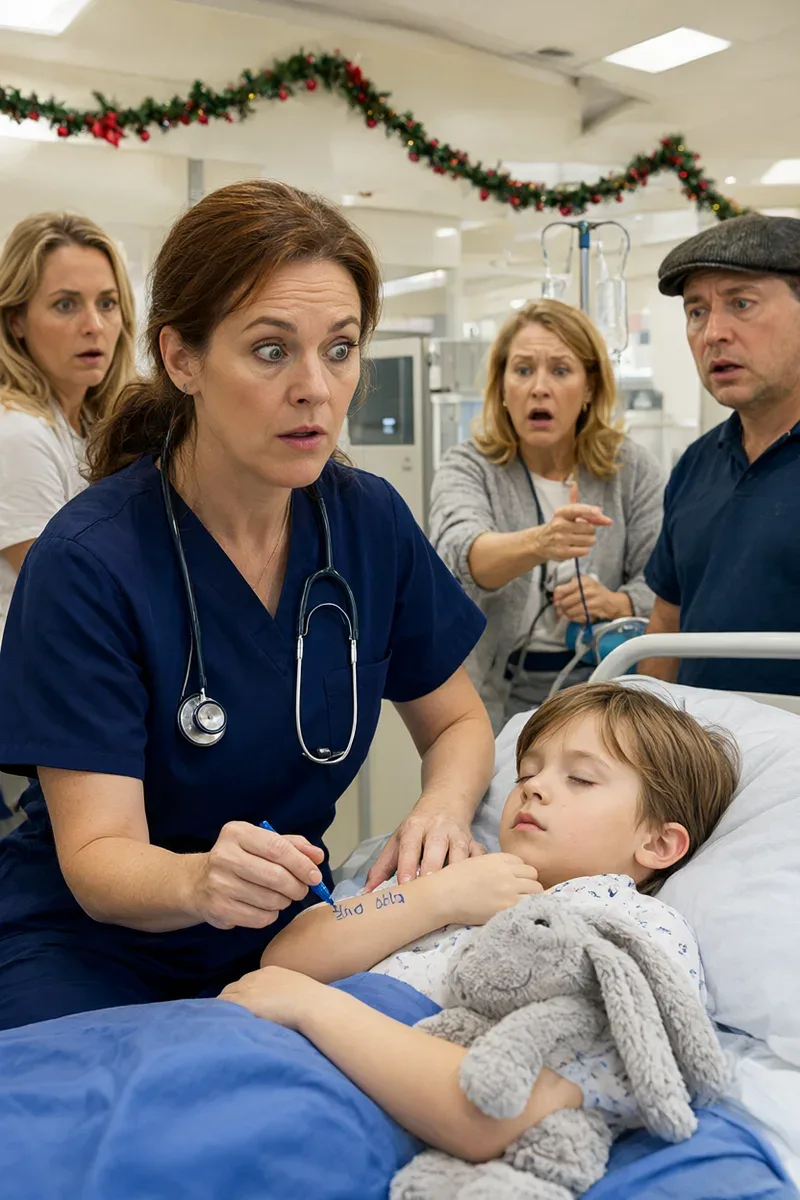
 The Name in Ballpoint
Chapter 4
Bellwether
Haszard came out at 4:40 in scrubs. The appendix was perforated, as promised, with an abscess walled off beside it; he had taken it out through three small incisions and washed the infection out. Several days of IV antibiotics, then home if his fever behaved. "He asked if I'd keep his appendix in a jar," Haszard said. "I said no. He was disappointed."
At 6:52, while I was giving report to the day charge nurse, my phone buzzed. "Ms. Tolland, it's Ostrowski. Quenby police found a gray Corolla at Bellwether, back corner by the maintenance shed. Your sister was in the driver's seat." Static. "She was barely breathing. They gave her two doses of naloxone and she came around. She's at Quenby Community. She's alive."
I sat down on the edge of the desk. The day charge nurse took the phone out of my hand, said thank you to whoever it was, and handed it back.
I went upstairs before I left. Elliot was on the pediatric floor with the blinds half drawn, an IV pump clicking beside him and a paper snowflake taped to the window. He woke when I put Parsnip on the blanket. "Did they take it out?"
"They took it out."
He felt for the bandages under his gown with great seriousness. "Is Mom coming?"
"Your mom is at a different hospital. She got sick too. I'm going to see her."
"Tell her I ate the red one."
The roads to Quenby were empty on Christmas morning, plowed and salted, the sky the color of a nickel. A Waffle House by the interstate ramp had six cars in the lot. I drove with both hands on the wheel at ten and two, the way I have driven every mile since I was twenty-seven, and I did not turn on the radio.
At Quenby Community a tech sat in a chair outside Room Four, the way we place a sitter for anyone we're afraid might hurt herself. She checked my ID and let me in.
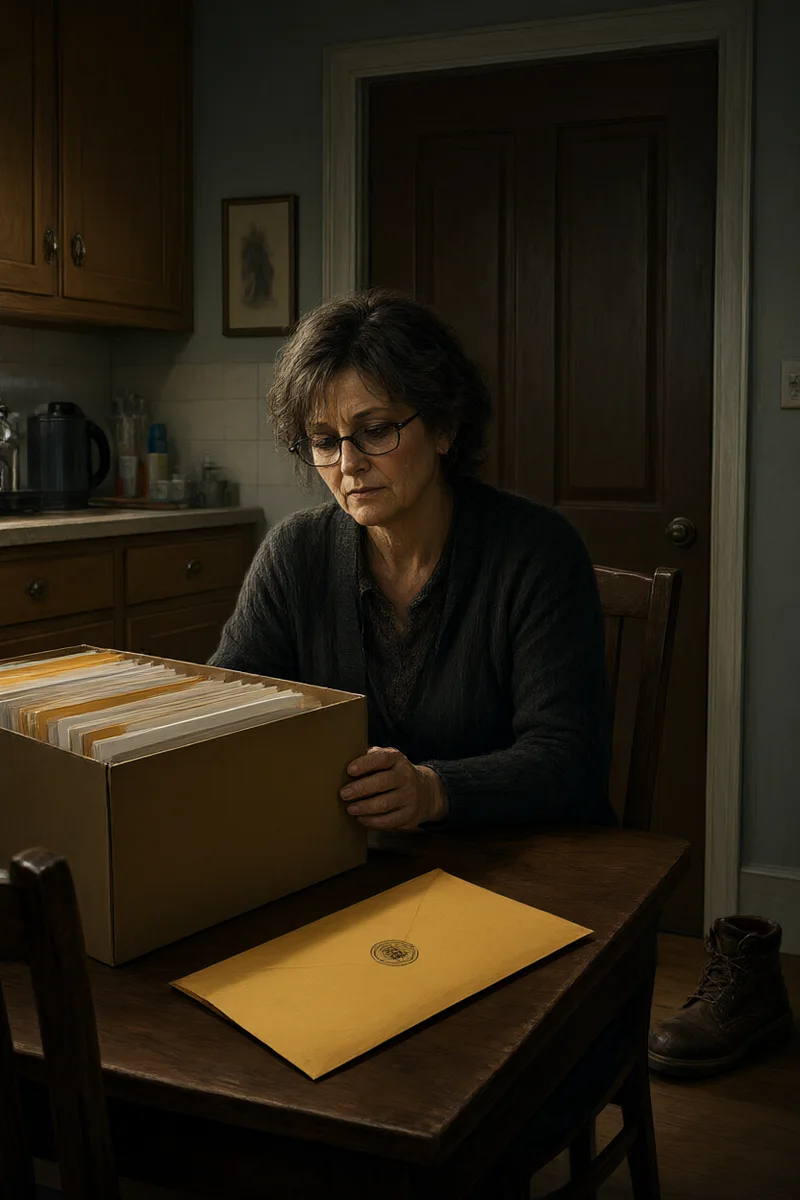
My sister was smaller than I remembered. Her dark hair had come loose across the pillow, and there were tape marks on the back of her hand. She looked like our mother around the eyes, which I had not been ready for.
"I said don't look," she said.
"You wrote my name on a sick child. That's not how you tell somebody not to look."
She closed her eyes. "Is he okay?"
"His appendix ruptured. He had surgery at three. He's on antibiotics and asking for pancakes, which I understand is a good sign."
She turned her face to the wall and cried in the quiet way Florin had described, and I stood at the foot of the bed with my coat still buttoned because I didn't know what else to do with my hands.
"Urgent care said virus," she said finally.
"On day two, it can look like a virus. You didn't miss it." I paused. "He said to tell you he took the red Tylenol."
She laughed once, wet. Then her hand shot out and caught my wrist, and her grip was stronger than it had any right to be. "Ro. Did anybody call his father?"
"There's no father on the birth certificate."
"Did anybody call Brice?"
I knew the name. I had last heard it in our mother's driveway the week she died, shouted over the engine of a black pickup truck.
The End