 The Easier Wife
Chapter 5
Below Chance
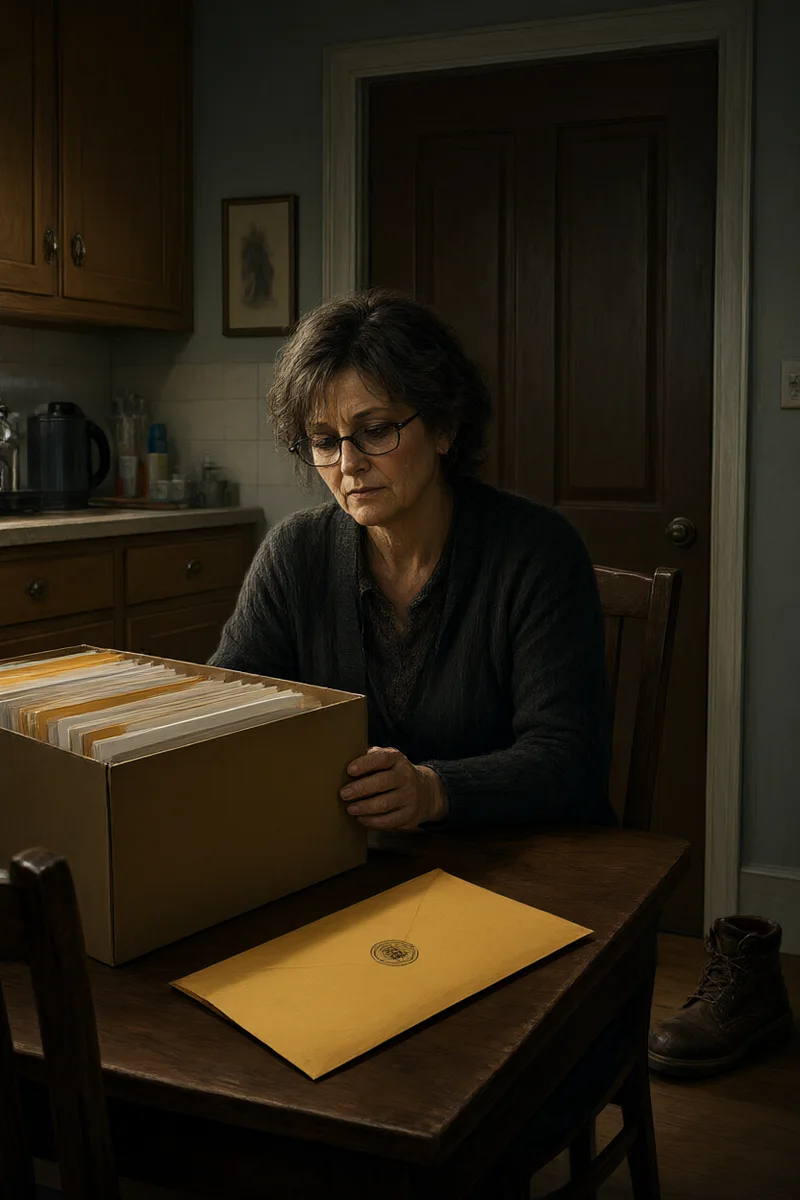
The testing was Thursday in a beige room on the third floor of the Kittredge Medical Building. There was a box of tissues on the table and a psychometrist named Tobiah with the voice of a kindergarten teacher, and for two hours I drew clocks, repeated numbers backward, and tried to remember a list of fifteen words about a farm.
Then he set out a booklet. "This one's easy. Earlier I showed you fifty pictures. Now each page has two. Point to the one you saw before."
A woman who had lost twelve years would be bad at this, I thought. So I was bad at it. I pointed at the lighthouse when I'd seen the kettle. I pointed at the bicycle when I'd seen the boot. Around page thirty I began to enjoy myself, which should have been my first warning.
At three, Dr. Haskett called me into his office alone. Sabina stayed in the waiting room with a copy of Real Simple. "Fourteen out of fifty," he said.
"Is that bad?"
"It's remarkable. If you'd closed your eyes and pointed, you'd have gotten about twenty-five. My patients with moderate dementia get over forty." He took his glasses off. "To score fourteen, you have to know the right picture and choose the other one. Thirty-six times."
His desk had a stapler shaped like a whale. I looked at the whale.
"I've written that the results are not valid for interpretation," he said. "That's the kindest sentence I own. Your husband has access to your patient portal, so he will read it." He folded the glasses. "Mrs. Marchetti, is there a reason you might feel safer not remembering?"
I thought about telling him. I thought about Truax saying there were ways to handle this that didn't need my signature, and about how a doctor's honesty could be read aloud in a courtroom.
"I don't know you," I said. "I'm sorry."
"No," he said, as if agreeing to something else. He wrote on the back of a business card and slid it across. "My cell. I answer it."
On Saturday Ambrose threw a welcome-home lunch at Pellbrook, so the staff could see I was fine. The barn was strung with lights, there was hot cider in the copper urn I'd found at an auction in Bedford, and everyone wore a name tag, which was Ambrose's idea and made it look like a sales conference.
Odalys Prewitt, my venue manager, cried on me for a full minute. "You hired me off a Craigslist ad," she said. "I showed up to the interview with a cat in my car because my landlord threw us out. You don't remember? You let the cat sit in on it."
I remembered the cat. His name was Lieutenant. "I'm sorry," I said, and meant something else.
I kept my hands in my lap. I said nothing when I saw the florist had put the ceremony arch on the west wall, where the five o'clock sun would blind every guest in the first six rows. I said nothing about the cider being too sweet. It was the hardest work I did all month.
Then Turnip, cruising the buffet at nose height, stood up on his one back leg and lifted a dinner roll off a plate.
"Turnip," I said, before I could stop it. "Rutabaga." He dropped the roll and lay flat, chin on the floorboards, waiting.
The table went quiet. Odalys laughed through her tears. "Oh, she's in there. Nobody does rutabaga but Lis. I've tried for two years. He looks at me like I'm nuts."
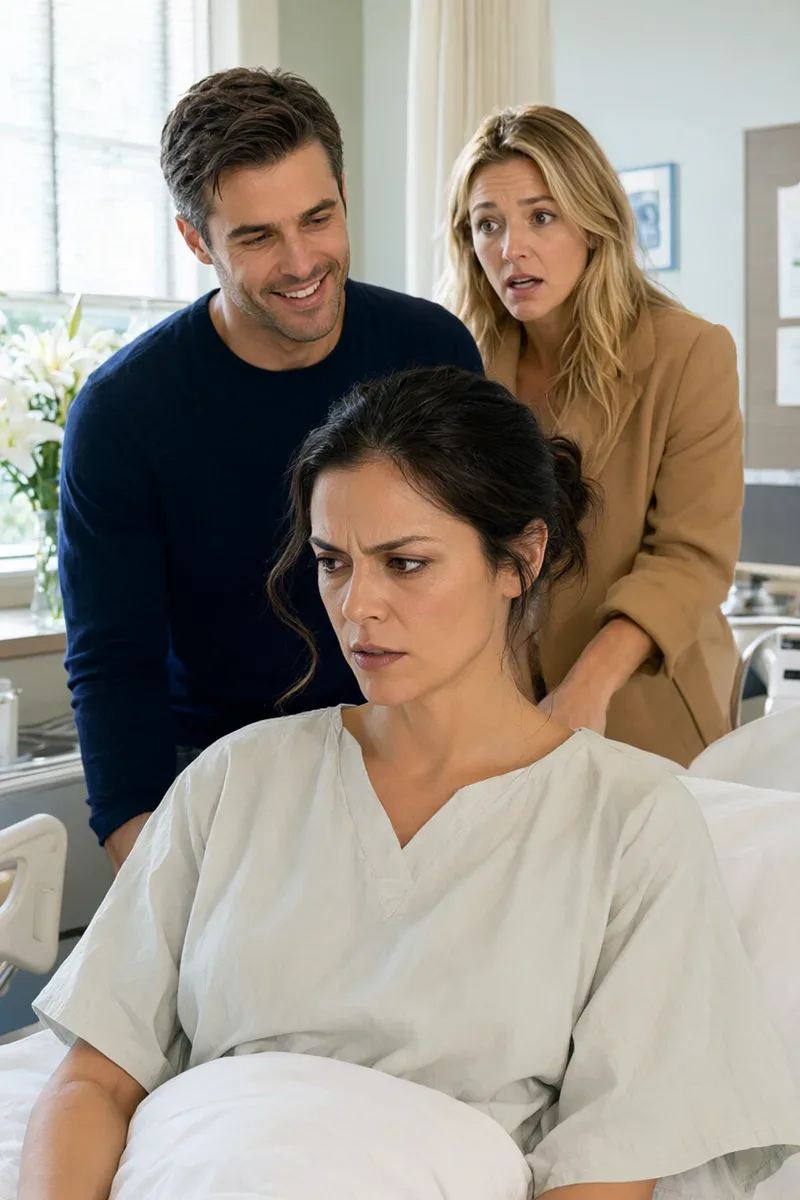
"Rutabaga?" Sabina said. Ambrose set his cider down. He had never learned rutabaga. He had never tried.
"Lis," he said pleasantly, in front of thirty-one employees. "Where'd you learn that?"
The End