 She Was Forced to Sign Away Her $63M Empire
Chapter 8
The Emergency Boardroom Takeover
Three days later, the glass-walled boardroom of Whitmore Technologies was packed to capacity. The atmosphere was thick with tension and nervous whispers among the board members, executives, and senior legal partners.
Seated at the head of the long mahogany table wasn't Richard Sterling.
It was Emily Whitmore.
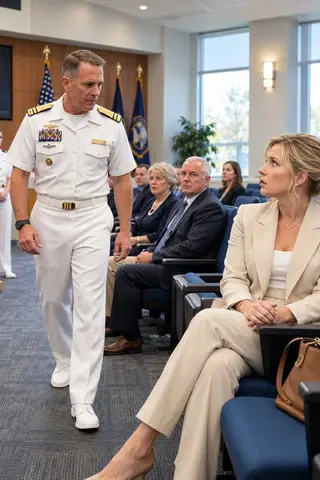
She wore a sharp, tailored ivory pantsuit—a striking contrast to the fragile, overwhelmed housewife Richard had tried to mold her into. Her posture was erect, her gaze steady, and her expression unyielding. Flanking her on either side were federal prosecutors and corporate compliance officers.
The heavy oak doors opened, and interim corporate counsel stepped forward to address the room.
“Ladies and gentlemen,” the counsel announced formally, placing a stack of certified legal documents on the table. “In light of the federal indictment of former CEO Richard Sterling and general counsel Charles Bennett for corporate malfeasance, conspiracy, and murder, all emergency restructuring agreements signed under duress or fraudulent pretenses have been officially voided by federal judicial decree.”
A collective gasp rippled through the boardroom. Several executives who had previously backed Richard nervously shifted in their seats, casting anxious glances toward Emily.
“Furthermore,” the counsel continued, “with the validation of Margaret Whitmore’s original living trust and voting proxies, Emily Whitmore holds full, undisputed majority control of Whitmore Technologies, representing sixty-five percent of total voting shares.”
Emily stood up slowly, her voice clear, resonant, and commanding as it echoed across the silent room.
“Effective immediately,” Emily declared, her eyes sweeping across the board members, “all executive appointments made under Richard Sterling’s tenure are terminated with cause. We are launching an immediate internal audit of all corporate accounts, R&D divisions, and philanthropic foundations. Whitmore Technologies was built on saving lives and ethical medical innovation—not corporate greed and betrayal. We are returning to our core values.”
Applause broke out around the table—hesitant at first, led by veteran engineers and researchers who had long suffered under Richard’s tyrannical rule, before swelling into a powerful room-wide standing ovation.
Emily didn't smile yet, but as she looked out over the skyline of Chicago, she felt a profound sense of peace. Her mother’s legacy had been saved.
The End









