 She Thought Her Military Daughter Was a Family Disgrace
Chapter 11
The Shadows on Old Mill Road
The silence of Old Mill Road had always been my sanctuary, a stark contrast to the persistent hum of diesel engines, tactical radios, and the sudden, deafening explosions that had defined my years in deployment. But that evening, as twilight bled into a deep indigo across the Virginia sky, the quiet felt different—brittle, watchful, and thick with an uneasy tension.
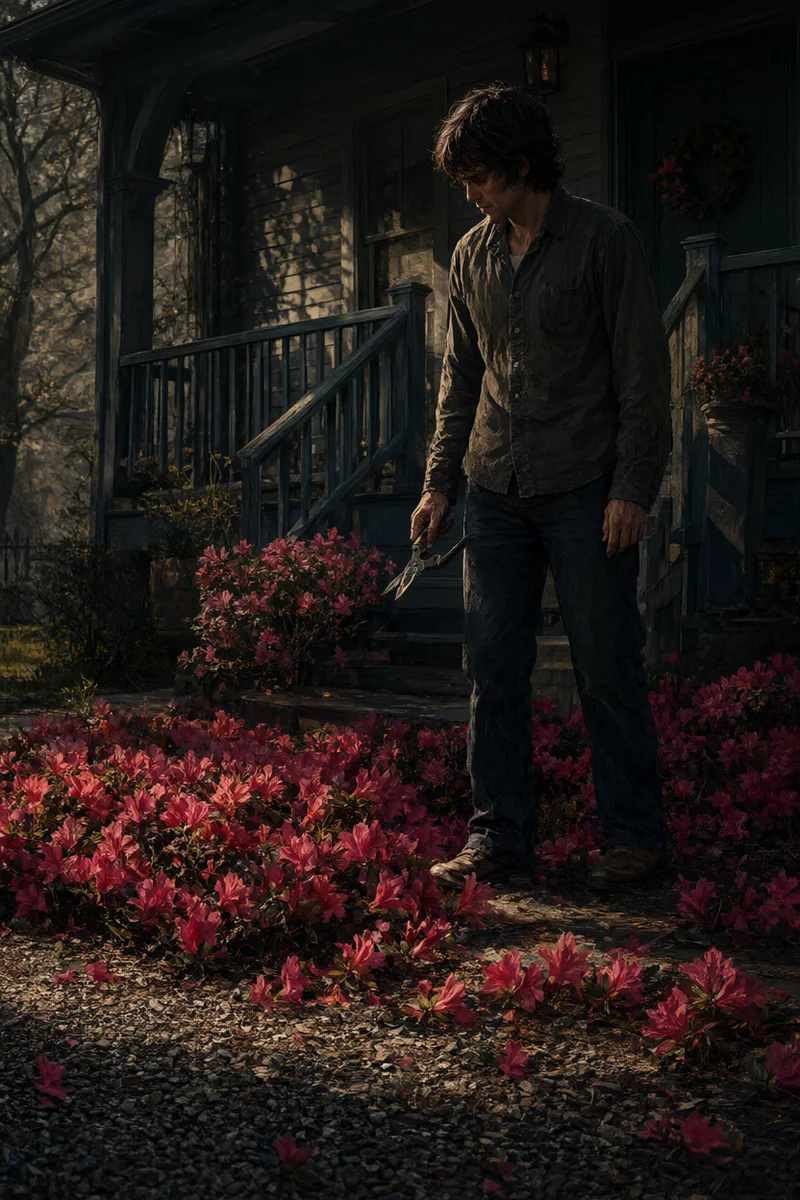
I changed out of my Class A dress uniform, hanging the wool jacket and ribbons carefully inside the cedar wardrobe in my grandfather's old bedroom. Putting on worn denim jeans, heavy work boots, and a thermal canvas shirt felt like shedding armor only to reveal raw muscle beneath. My reconstructed knee gave a sharp, throbbing reminder of the morning’s strain, but physical discomfort was an old acquaintance I knew how to manage. Downstairs, the kettle began to whistle. Knox was lying across the braided wool rug in the living room, chewing idly on an old knotted rope, but his ears remained pricked toward the driveway.
When the sharp beam of headlights swept across the lace curtains of the front window, Knox didn’t just growl—he rose instantly to his feet, his hackles raised in a rigid line along his spine. A low, vibrating rumble originated deep in his chest.
I killed the gas under the stove, leaving the kitchen in dim shadow, and stepped to the edge of the hallway window where the darkness concealed my frame. An unfamiliar black luxury SUV had parked right at the mouth of my gravel drive, just past the boundary markers my grandfather had hammered into the dirt four decades ago. The engine was left idling, the rumble of a heavy V8 vibrating through the chilled autumn air.
Nobody got out immediately. For three full minutes, the vehicle simply sat there with its high beams burning directly into my porch, an aggressive posture meant to intimidate. In standard military perimeter defense, a static reconnaissance vehicle at an access point is either assessing response times or deliberately provoking a reaction. I didn't reach for my phone; I reached into the utility drawer by the back counter, slipping a heavy tactical flashlight into my pocket and stepping onto the porch without making a sound.
The driver's door finally opened. A man stepped out into the glare of his own headlights. He was tall, dressed in a tailored wool overcoat, holding a manila document folder under one arm. When he stepped forward, the amber porch light caught his features. It wasn't my father. It was a man I recognized from regional real estate development billboards around Chesapeake: Julian Sterling, the lead acquisitions partner for Sterling-Vance Holdings—a commercial firm my father had frequently consulted for.
"Commander Carter?" his voice cut through the damp evening chill, slick and practiced, the tone of a corporate negotiator trying to disarm a hostile room. "I know it’s late, but I believe we have business that concerns both our futures."
Knox stood at my hip, rigid as iron. "You're trespassing on private land, Mr. Sterling," I replied, my voice dropping into the flat, unyielding cadence of an officer giving a final perimeter warning. "Turn around and take your car off my road."
Sterling didn't retreat, but his confident smile tightened at the edges. "Your father told me you’d be difficult. But unlike him, I’m not here to fight you in a county court. I’m here to offer you seven figures for dirt you can't even afford to pave."
The End









