 Pencil Marks in the Pantry
Chapter 10
The Pantry Door
I didn't hit him.
I'd like to tell you it was discipline. Mostly it was Tovah. She was standing beside the coin changer in her apron with her chin up, and she gave me one small shake of her head, the same one she gives Hap when he's about to touch a hot stove.
So I pulled out a plastic chair from the folding table, sat down in it across from Jory Drogan, and crossed my arms.
"I'll wait," I said.
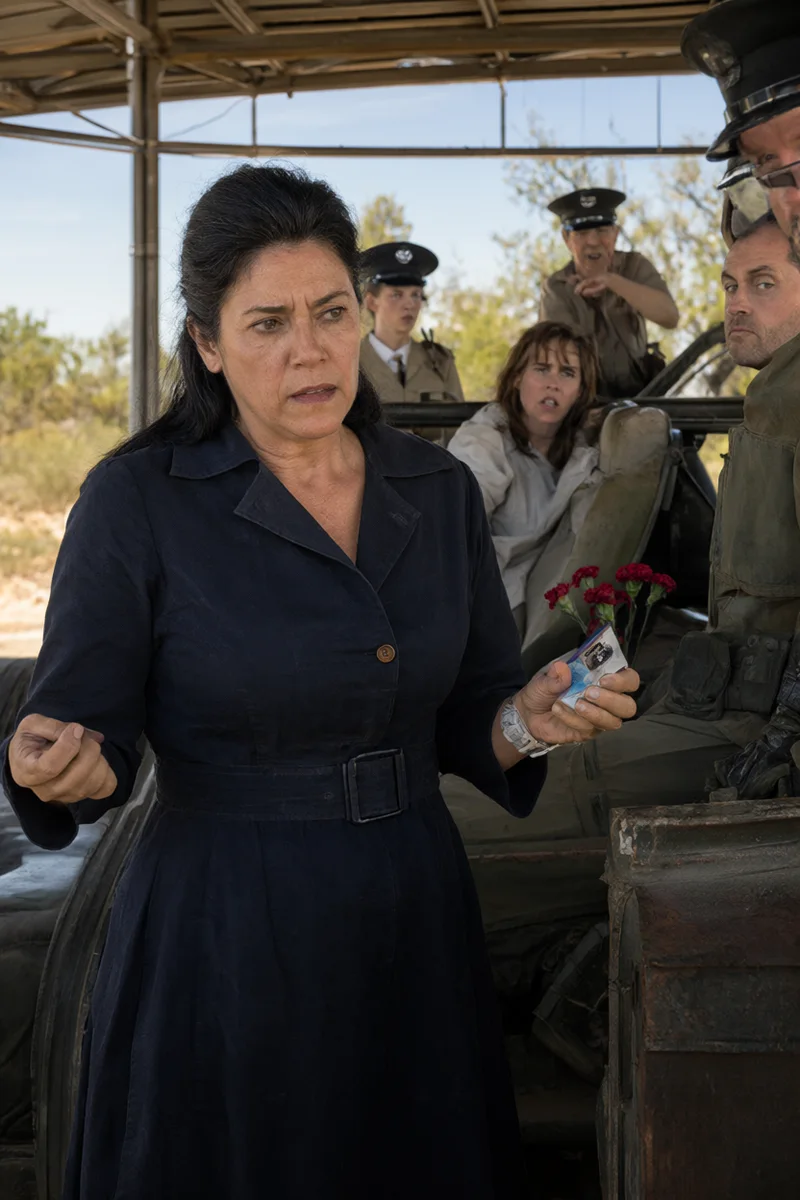
He didn't know what to do with that. He looked at Ferrin. He looked at the door. Then he looked at Tovah, and she reached into her apron, took out Mrs. Bayliss's phone, and held it up so he could see the red recording dot.
"It's still going," she said.
The deputies came through the front door thirty seconds later. Drogan put his hands up before they asked. He didn't look at me again.
Mrs. Bayliss came down the stairs with Esmay and Hap behind her, though she'd been told to stay up. Hap ran to me. Esmay walked to her mother and held her hand, very formally, like a lady at a dance.
"Was that the Gunny?" Hap asked, watching the patrol car.
"That was a man who said he was a Gunny," I said.
"Oh," said Hap, satisfied. "A liar."
It took seven weeks to get the house back. The rest took longer.
Drogan was charged with obtaining property by false pretenses, attempted obtaining property by false pretenses for the $41,000, and a list of other counts that ran onto a second page once the Havelock and Swansboro families came forward. He took a plea in February. Ferrin called me the day it happened and said only, "Eight years," and hung up.
Captain Nance found us a lawyer, a retired Marine colonel named Ira Mabe who wore bow ties and did it for free because, he said, he was bored and mean. A Superior Court judge set the deed aside on December 12. The loan servicer, after a letter from Colonel Mabe that Captain Nance later described as surgical, waived the late fees and folded the missed months into the back of the loan.
Lieutenant Colonel Shadwell closed the complaint in his office with the door open. He shook my hand. "Article 92," he said. "Six hundred feet. I measured."
The Vandermolens got their deposit and their rent back out of Drogan's frozen account, most of it, anyway. Breck and I agreed they would stay in my house through New Year's while they found a real place, paying the mortgage directly to the bank instead of to box 114. In January they bought a brick ranch on Tidewater Lane with their $41,000 intact and a lender who was actually a lender.
Breck helped me carry my table saw back into the shed. He didn't say much. He brought a six-pack and left it in my refrigerator, which is how a lineman says a great many things.
We moved home on January 4th. Tovah carried the lamp herself.
That night, after the kids were down, I found her standing in the open pantry with a pencil from the junk drawer. The old marks were all there. E, two years. H, one year. E, seven, with a smiley face. And just below them, in Noreen's careful hand, two new lines. L, eleven. S, seven.
"Do we keep those?" Tovah asked.
"We keep those."
In the morning I stood Esmay against the door frame, then Hap, who stood on his toes until I pressed him flat. Tovah held the pencil. She drew two short lines, wrote the date beside them, and put the pencil back in the drawer with the rubber bands.
The End