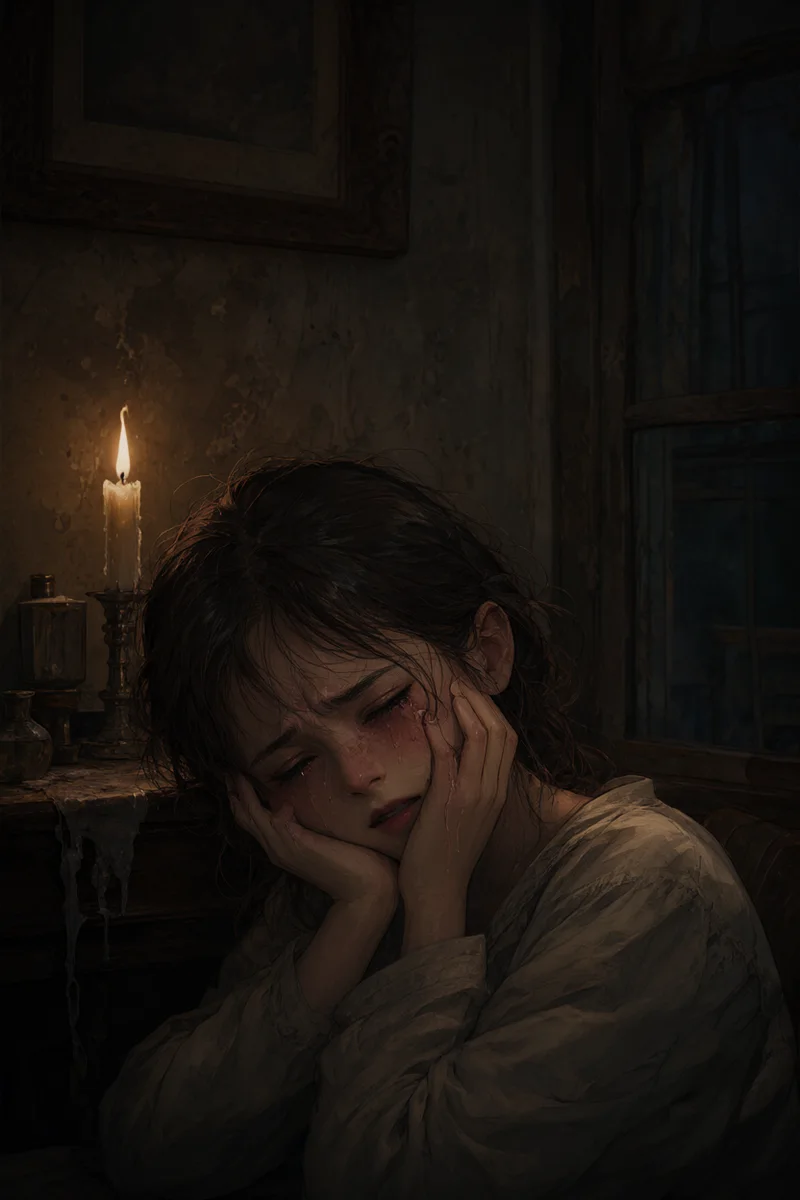
 He Thought Eleven Nannies Fled Because His Twins Were Haunted by Their Dead Mother
Chapter 1
The 612th Night
The crying started at exactly 4:47 a.m. I knew because I hadn't truly slept since my wife, Marissa, dropped dead twenty months earlier. First came Wyatt's low, wounded cry. Then June answered from across the nursery, her voice higher, sharper, until they were screaming together like they were calling for someone who refused to come. I stood in the doorway, gripping the frame. Night 612. By 5:15, Bridget was sitting between their beds in her nightgown, exhausted beyond words. She didn't say good morning. Nobody in my house said good morning anymore. From the outside, my Lake Forest estate looked almost obscene in its perfection. Seven bedrooms. Limestone walls. A pool house. A rose garden maintained by four groundskeepers. People driving toward Lake Michigan sometimes slowed to admire it. They couldn't hear the second floor.
I was thirty-nine, founder of a logistics software company serving half the Fortune 500. Business magazines had called me a visionary, a man who could solve problems other people couldn't even see. Yet I couldn't help my own children. Every specialist told me the same thing.
"Mr. Callaway, they're healthy."
"Then why do they scream every night?"
Silence. Because there was one answer no blood test could reveal. Marissa. She had been thirty-three when a brain aneurysm killed her on an ordinary Tuesday evening. One moment she was laughing beside me on the couch. The next, the television was still playing, but my entire life had stopped. The twins were only four months old. They couldn't remember their mother's face or voice, yet somehow they seemed to understand that someone was missing. Eleven nannies tried. Eleven eventually left. The one I remembered most was Ranatada, a soft-spoken woman with fifteen years of experience who had worked for powerful families. She lasted nineteen days.
I found her outside at midnight, coat wrapped tightly around her body as she stared toward the black lake.
"I don't know what's wrong with them," she whispered.
I'd heard those words before, but something in her voice frightened me.
"I've handled colic. Sensory disorders. Children who scream for hours." She turned toward me, her face pale. "I know how to sit with suffering, Mr. Callaway."
"Then stay."
She shook her head.
"This isn't suffering."
My jaw tightened. "Then what is it?"
Her eyes drifted toward the upstairs windows.
"It's like they're looking for someone who isn't in the room."
Twenty months after Marissa died, those words still haunted me. And then, one freezing November morning, the front door opened. A woman I'd never seen before stepped inside carrying a mop bucket in one hand. On her hip sat a three-year-old child. Neither of them knew my twins. Neither knew what had happened in this house. But before Thursday arrived, Wyatt and June would suddenly stop crying. And when I discovered why, I realized the screaming had never been the most frightening thing happening beneath my roof. I watched the woman step into the grand foyer, her worn canvas jacket contrasting sharply with the imported marble under her boots. She didn't look like an applicant from the elite domestic agencies I usually hired. She looked tired, hardened by life, yet possessed of an immovable stillness.
"Are you the new agency placement?" I asked, descending the wide staircase with slow, calculated steps.
She turned, her dark eyes meeting mine without a shred of intimidation. The child on her hip—a little girl with bright, observant eyes and a knitted red cap—sucked on her thumb and stared at me.
"Agency?" A dry, humorless smile touched the woman's lips. "No, Mr. Callaway. Mrs. Vance down the road said you were looking for someone who knew how to clean. She didn't mention anything about an agency."
"I need someone who can manage this household," I said, rubbing my temples where a permanent migraine had taken up residence. "Though I should warn you, the job comes with complications. Severe complications."
"Children crying?" she asked softly.
I paused, taken aback. "How did you—"
"Everyone in Lake Forest talks, Mr. Callaway, even when they pretend they don't. Two-year-old twins screaming every night for nearly two years. Eleven nannies running out the door. People love a ghost story, especially when it involves a wealthy man and a tragic loss." Her voice was devoid of malice, carrying only a heavy, practical weight. "My name is Elena. And this is Maya."
The little girl waved a small, chubby hand. I stared at them, wondering how long this one would last. Days? Hours? Yet as Elena walked past me toward the back of the house, setting down her mop bucket with a steady, confident thud, I felt an inexplicable shift in the heavy air of the mansion. The silence that followed her wasn't the suffocating emptiness I was used to; it was a space waiting to be filled. Little did I know, Elena wasn't just bringing a mop and bucket into my home. She was bringing a truth that would shatter every belief I held about my wife, my children, and the nightmare we had been living through.
The End









