 He Blamed His Wife For Their Son’s Disability For 18 Years
Chapter 1
The Shadow of Resentment
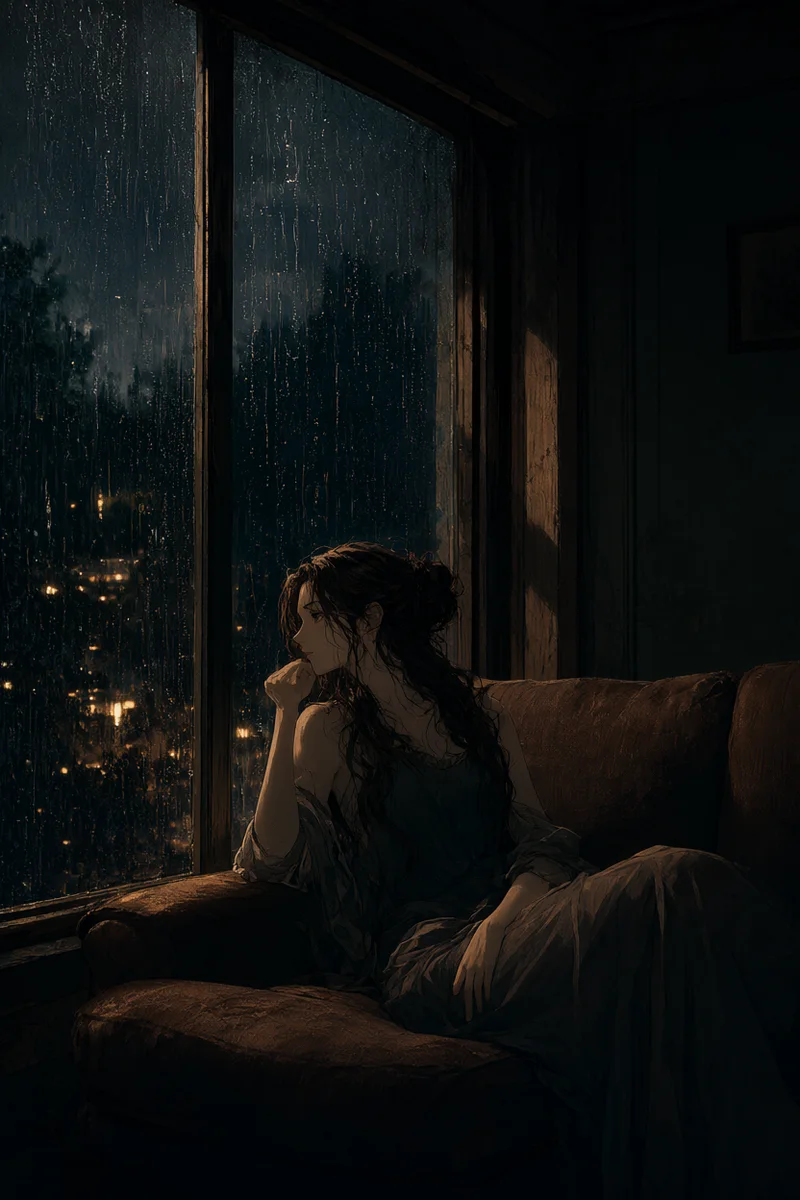
The rain against the windowpane had a rhythmic, melancholic sound that matched the heavy atmosphere inside our living room. It was an ordinary Tuesday evening, yet the air felt charged with an invisible, toxic static. My husband, Robert, sat at the head of the dining table, nursing a glass of bourbon, his eyes locked onto the television screen where a college football game replayed in slow motion. On the coffee table across the room sat our son, Leo, quietly typing away on his laptop, his wheelchair locked firmly in place.
For eighteen years, this was the invisible cage our lives had been built around. Robert had never physically abused us, but his emotional cruelty was a slow-acting poison that had hollowed out our marriage long ago. Every single day, Robert carried a grudge against biology, against fate, and most destructively, against me. In his mind, giving birth to a child with a congenital spinal condition that left him paralyzed from the waist down was somehow a personal failure on my part. A design flaw in my genetics. A betrayal of his sacred bloodline.
"Look at that throw," Robert muttered, not looking at anyone in particular, his voice laced with bitter sarcasm. "A true athlete. Precision, power, total control. Some men get sons who carry on the legacy. Other men... well, life plays a cruel joke."
I felt the familiar, hot prickle of tears behind my eyelids, but I forced them down. I had learned years ago that crying only fueled his sadistic satisfaction. I stood by the kitchen counter, wiping down an already spotless surface just to keep my hands busy.
Leo didn’t flinch. He didn’t look up from his screen. His fingers kept tapping against the keyboard with steady, rhythmic clicks. But I knew him better than anyone. I saw the slight tightening of his jaw, the way his knuckles turned white as he gripped the armrests of his chair. Leo had absorbed every single barb, every sigh of disgust, and every sideways glance Robert had thrown our way since he was old enough to understand language.
"Robert, please," I murmured, keeping my voice low to avoid escalating the tension. "Not tonight. It's almost Leo's birthday weekend. Can we just have some peace?"
Robert let out a sharp, cynical bark of laughter. He took a slow sip of bourbon, swirling the amber liquid around the glass before locking his cold eyes on me. "Peace? Clara, how can there be peace when everything I worked for, everything I dreamed of building, was traded for a wheelchair? My father built a sports legacy at the state university. I coached high school track for ten years, dreaming of the day I'd hand my son a football. And what did I get? A spectator. A permanent occupant of the sidelines."
"I am right here, Dad," Leo’s voice cut through the room. It wasn't loud, but it carried an uncanny, icy calmness that made the hairs on my arms stand up. It was a tone I had never heard from my son before—devoid of the usual youthful frustration or sorrow. It was clinical. Measured.
Robert blinked, momentarily startled, before sneering. "I wasn't talking to you, Leo. I was talking about the reality of our situation. It's time you both faced it. Life isn't fair, and pretending everything is sunshine and rainbows won't change the cards we were dealt."
"You're right," Leo said softly, closing his laptop with a quiet snap. He turned his wheelchair around, facing his father directly under the harsh glow of the overhead chandelier. "Life isn't fair. And for eighteen years, you've made sure everyone in this house knew how miserable you are because of it. But Dad? You might want to enjoy this weekend. Because your version of reality is about to expire."
Robert frowned, opening his mouth to issue a sharp reprimand, but Leo wheeled himself down the hallway toward his bedroom, leaving a chilling silence in his wake. I stood frozen at the counter, a cold dread washing over me. I had no idea what Leo meant, but looking at my son's steady, unreadable expression as he left the room, I knew that the ticking time bomb we had lived with for nearly two decades was finally about to detonate.
The End









