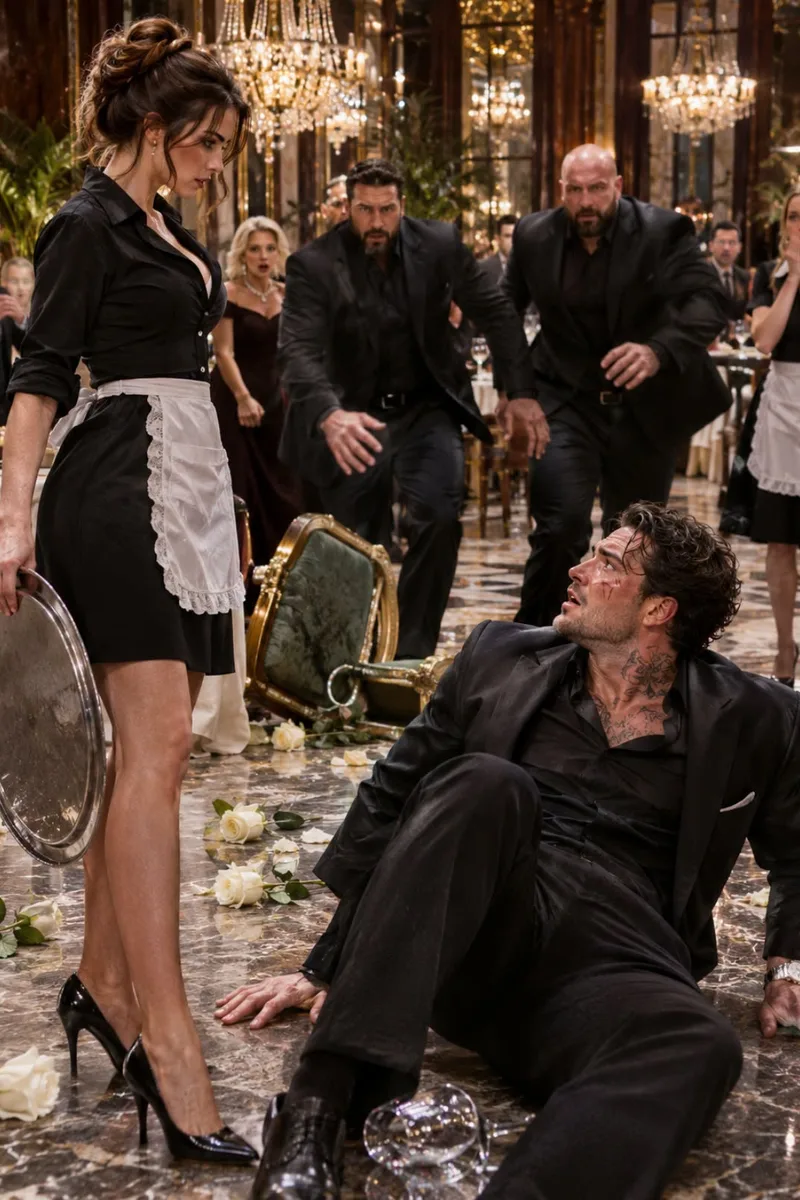
 After a Waitress Threw Chicago's Most Feared Boss to the Floor, He Ordered His Men to Find Her
Chapter 4
A Job She Could Explain
The first consequence of the meeting arrived in Tessa's schedule. Management restored her usual shifts and sent a written notice that employees could provide truthful information about the incident without disciplinary action. Tessa forwarded the message to Sienna with a single word: Finally. Sienna felt relief, then caution. One corrected schedule would not create a safe workplace overnight. Still, it was the kind of change that could be checked instead of simply praised.
Sienna's lawyer received the club's internal camera footage. The unedited recording supported that Dante had initiated the unwanted contact and that Sienna had tried to disengage before using force. It also showed guards advancing after Dante fell, though some movements were obscured by tables and fleeing guests. Leah advised against making absolute statements about injuries or intent from the footage alone. Sienna watched it once, with Leah beside her, then asked her to store it securely. She didn't need to see herself frightened again to know she had been.
Meanwhile a community training organization offered Sienna a position teaching basic workplace safety and incident reporting to hospitality workers. The program was not glamorous. It held sessions in hotel conference rooms and community colleges, often for staff whose managers believed training was a waste of time. Sienna attended a sample class. The instructor asked participants to describe a time they felt unable to refuse a request from someone more powerful. The answers were careful at first, then surprisingly candid.
Sienna recognized the work she had once loved in protective services, stripped of the secrecy and urgency that had made it dangerous. She could teach people to recognize risk, document concerns, and get help without instructing them to fight patrons.
After the class the director asked whether she wanted to join the program. Sienna said she needed to see the contract and schedule. The director smiled and handed them over. It was a small act of respect that made her feel less like a viral story and more like a qualified applicant.
Jonah helped her prepare for the interview by playing an impatient hotel guest. He demanded a better table, shouted about a missing reservation, and then laughed when Sienna described the complaint process instead of surrendering to his theatrics. She reminded him that some situations involved genuine danger.
The lesson wasn't that words solved everything. It was that staff needed a plan for leaving, calling assistance and preserving evidence when a customer crossed the line. Jonah said that sounded more useful than teaching everyone how to throw a mafia boss.
At the interview Sienna described her former work honestly but without disclosing private client details. She explained that an injury had changed her ability to perform certain physical assignments, and that she'd spent time looking for a role where her experience could help people before situations became violent.
The panel asked about the video. Sienna said she had reported the incident and was cooperating with appropriate processes, but she did not want the program to market her as a spectacle. The director agreed that the training should focus on practical skills.
The offer came the next day. It included regular hours, health coverage and a probationary period with clear expectations. The salary was enough to cover rent and contribute to Jonah's therapy without relying on unpredictable nightclub tips. Sienna read every page, asked questions about travel, and accepted. She called Jonah first. He whooped so loudly she had to hold the phone away from her ear. Then she called Isabel, who said the new role sounded more like the Sienna she remembered before their last dangerous assignment.
That evening Leah forwarded a revised settlement proposal from Dante's lawyers. It acknowledged that he had touched Sienna without consent, offered payment for documented losses, and removed the earlier demand that she never discuss workplace safety issues. There were still confidentiality terms about specific financial details, which Leah said could be negotiated. Sienna studied the document. She wanted compensation without surrendering the freedom to tell the truth about what happened. She asked Leah to prepare counterterms that made that boundary explicit.
A new difficulty arose when Armand sent an email asserting that the nightclub's staff had mishandled the spilled drink and failed to follow guest-service standards. The message did not name Sienna, but its timing was impossible to ignore. Tessa and Malik were frightened it would become grounds for disciplinary action.
Denise asked for copies of the written standards and whether staff had actually received training. The club could not produce a current record. The problem was no longer simply one man's misconduct; it was the absence of procedures people could rely on when a powerful guest became aggressive.
Sienna attended a worker meeting with Denise, Tessa and several other employees. They discussed a proposed reporting system run through an independent office rather than the club manager. Some workers wanted anonymity; others wanted guaranteed follow-up. One young server said she had never complained because she believed any report would be shown to the customer who offended her. Sienna listened and realized how much of her own confidence came from knowing what to do when someone touched her. Most of the room had never been offered that knowledge.
Dante's attorney requested a copy of the proposed procedures. The workers agreed to provide a summary, not names of individual complainants. Sienna insisted the review should be independent and that staff not be asked to sign loyalty statements in exchange for protections. Leah supported the approach. She also reminded Sienna not to promise legal outcomes she could not control. Sienna was learning that her strongest contribution might be helping other people state what they needed, not speaking for them.
The next weekend Sienna led her first training session at a modest hotel near O'Hare. She was nervous, but the participants wanted practical answers. A bartender asked what to do when a customer blocked the only exit behind the bar. Sienna walked through the employer's escalation plan and urged staff to involve designated support rather than handling danger alone. Another asked how to document an incident without invading anyone's privacy. They discussed factual notes and reporting channels. Nobody asked her to demonstrate a throw.
Afterward the program director thanked her for keeping the session grounded. Sienna packed her materials and looked at the names of participants written on the attendance sheet. These were workers who might never become famous for standing up to someone. She hoped they would never need to.
On the way home she passed the street where the Gilded Cage stood, its sign glowing above the entrance. For the first time since the incident, she did not feel compelled to look inside. She had work of her own, and it was beginning to matter more than Dante's curiosity.
The End









